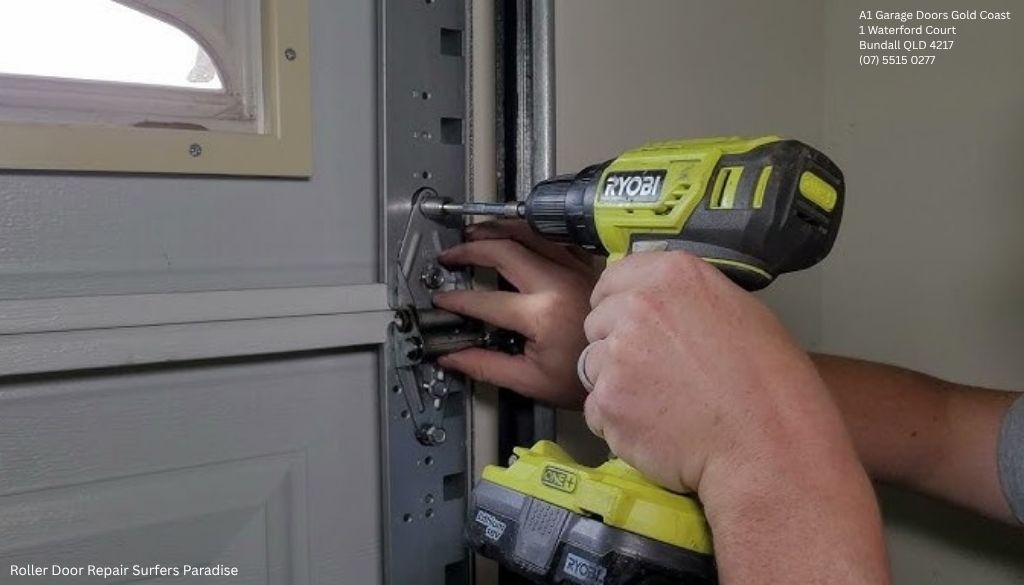
Garage Door Troubleshooting Guide Before Professional Service
A garage door is one of those systems people use every day without thinking about it, until it hesitates, groans, reverses for no obvious reason, or refuses to move at all. When that happens, the temptation is to keep pressing the remote, give the door a shove, or start adjusting parts that look simple from the outside. That is where many garage door problems become more serious, and sometimes less safe.
Good garage door troubleshooting starts with restraint. The goal is not to rebuild the system yourself or outguess a trained technician. The goal is to observe carefully, identify simple issues, avoid unsafe work, and know when professional garage door repair is the right next step. A residential garage door combines a large moving panel, an automatic garage door opener, tracks, rollers, cables, springs, sensors, and hardware mounted overhead. Several of those parts operate under force or in awkward positions. That calls for a methodical approach.
This guide focuses on practical checks a homeowner can perform before professional service. It also draws a clear line around the areas that should not be treated as do-it-yourself repair work, especially garage door springs, torsion springs, garage door cables, and anything involving safety reversal failures.
Start with safety before diagnosing the door
Before you try to identify the fault, separate inconvenience from risk. A garage door that does not close can be frustrating. A garage door that closes without reversing properly, or one that has damaged cables or spring components, is a safety concern.
Automatic residential garage door openers in the United States are covered by a mandatory federal safety standard. They must include entrapment protection, such as photoelectric “electric eye” garage door sensors or an equivalent safety system. That requirement exists because a closing garage door can trap a person, pet, or object if the system does not detect the obstruction and reverse.
The safety reversal system is not decorative equipment. It should be tested monthly. If the door does not reverse when it should, the opener should be adjusted according to the owner’s manual or inspected by a professional. If you are not sure how to perform the test safely or how your particular opener is designed, stop and arrange service. Guesswork around a non-reversing door is not worth the risk.
Children should also be kept clear during any garage door inspection. Remote controls and wall controls should not be treated as toys, and children should be taught not to stand, run, or play near a moving door. This is not just a cautious trade habit. Fatal entrapment incidents involving automatic garage doors have been documented, which is why modern safety systems matter and why older or poorly maintained systems deserve serious attention.
Observe the symptom before touching anything
A good technician rarely starts by grabbing tools. The first step is watching and listening. Does the garage door opener run but the door stay still? Does the door begin to close, then reverse? Does it move a few inches and stop? Does it sit crooked in the opening? Does one side appear lower than the other? Does the opener light flash? Does the motor hum without movement?
These details matter because different symptoms point toward different parts of the system. A door that reverses as soon as it starts to close often suggests a safety sensor issue, an obstruction, or a travel setting problem. A door that is visibly crooked may involve garage door cables, rollers, tracks, or balance problems. A door that feels extremely heavy when disconnected from the opener may involve garage door springs or garage door balance.
One of the most useful things you can do before calling for garage door repair is write down the exact behavior. If the problem happens intermittently, note when it occurs. Morning only, cold weather only, after a power interruption, or only when using the remote can all be meaningful. You do not need technical language. Plain observations help: “The door closes halfway and reverses,” or “The opener runs, but the door does not move,” or “The left side drops faster than the right.”
That kind of description saves time. It also helps prevent unnecessary tinkering with parts unrelated to the actual problem.
Check power, controls, and lock features first
Some service calls begin with a problem that is not mechanical at all. The opener may not be getting power, the remote may not be communicating, or the wall console may be set to a lock mode if that feature exists on the unit. Since opener models vary, the owner’s manual is the best guide for model-specific buttons and indicator lights.
Start with the least invasive checks. Confirm that the opener is plugged in if the outlet is visible and safe to access. Check whether other electrical devices in the garage have power. Try the wall control as well as the remote. If one works and the other does not, the issue may be isolated to the remote, battery, programming, or wall station. If neither works and the opener shows no sign of life, power supply or opener failure may be involved.
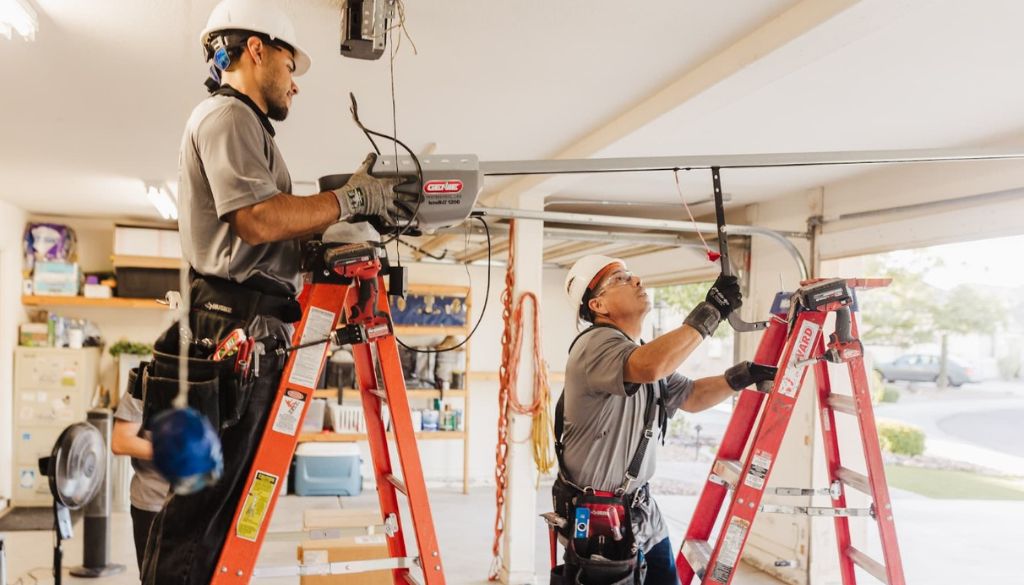
Do not remove opener covers or work inside powered equipment unless you are qualified to do so. Installation and repair work around electrical equipment, ceiling-mounted hardware, hand tools, and cramped garage spaces carries physical hazards. Even a simple-looking opener repair may require working overhead, standing on a ladder, reaching around sharp brackets, or handling components in awkward positions.
A garage door opener is only one part of the system. If the motor operates but the door does not move correctly, do not assume the opener is the root cause. Openers often reveal door problems because they are trying to move a door that is binding, unbalanced, obstructed, or mechanically damaged.
Look closely at the photoelectric sensors
When a garage door starts downward and then immediately reverses, or refuses to close from the remote but may close from the wall control under certain conditions, many homeowners suspect the opener motor. Often, the first area to inspect is the garage door sensors.
Photoelectric sensors are usually installed near the bottom of the door opening, one on each side, aimed at each other across the path of the door. Their job is to help prevent entrapment by detecting an obstruction in the doorway. If the sensor beam is blocked, misaligned, dirty, damaged, or not powered, the opener may refuse to close the door or may reverse.
This is a good example of troubleshooting that should stay simple. You can look for obvious obstructions, such as a trash bin, broom handle, cardboard box, toy, or loose item leaning into the sensor path. You can check whether the sensor lenses appear dirty and gently wipe them with a soft cloth. You can also observe whether the sensor brackets look bent or bumped out of position.
What you should not do is bypass the sensors to make the door close. The safety system is there for a reason, and residential automatic openers are required to have entrapment protection such as sensors or an equivalent system. Defeating that protection converts a repair problem into a hazard.
If cleaning the lenses and removing obvious obstructions does not restore proper function, professional garage door troubleshooting is the prudent next step. The issue could involve wiring, alignment, sensor failure, opener logic, or another condition that only looks like a sensor problem.
Perform a basic visual garage door inspection
A careful visual garage door inspection can tell you a great deal without loosening a single bolt. Stand inside the garage with the door closed, then look at the whole system as a connected garage door replacement services assembly. The door panels, tracks, rollers, hinges, cables, springs, opener arm, and sensor locations all contribute to the way the door moves.
Use good lighting and take your time. Do not place fingers between door sections or around rollers and tracks. Do not stand under a partially open door. If the door looks unstable, crooked, or damaged, stop there and schedule service.
A brief homeowner inspection can focus on visible conditions rather than repairs:
This is one of the two places where a checklist earns its keep. It keeps the inspection focused and discourages random adjustment. If you notice cable damage, a door hanging unevenly, a roller out of position, or track damage, do not try to force the door open or closed. Those are professional service conditions.
Understand what the springs are doing
Garage door springs do much of the heavy lifting. The opener does not truly “lift” the full weight of a properly balanced door by brute force. Instead, the spring system counterbalances the door so it can move smoothly through its travel. When the spring system is compromised, the opener may struggle, stop, strain, or fail to move the door at all.
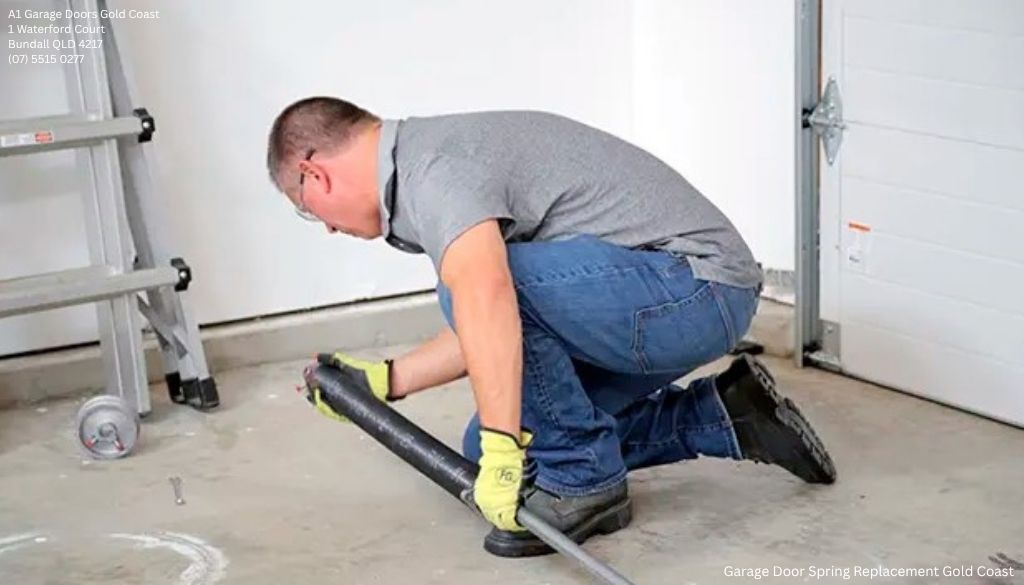
Torsion springs are mounted above the door opening on many systems. Other spring arrangements exist, but the principle is the same: stored force assists the door’s movement. That stored force is also why garage door springs are not a casual repair item. Winding, unwinding, replacing, or adjusting springs can be dangerous without proper training, tools, and procedures.
A common homeowner mistake is to assume that a noisy opener or sluggish door means the opener is weak. Sometimes that is true, but a door balance problem can make a healthy opener look defective. If the door is heavy, uneven, or difficult to move manually when disconnected according to the owner’s manual, the opener may be reacting to a mechanical problem rather than causing it.
Garage door balance matters for safety and longevity. An unbalanced door can place excess strain on the opener and hardware. It can also behave unpredictably. If you suspect a broken spring, do not continue cycling the opener to “see if it works this time.” Stop using the door and call for professional garage door repair.
Be careful with the emergency release
Most automatic garage door openers include an emergency release that disconnects the door from the opener carriage. Homeowners often pull it during power outages or when the opener fails. Used correctly, it can be helpful. Used at the wrong time, especially when the door is open or the spring system has failed, it can create a dangerous situation.
Before using the release, read the owner’s manual for your opener. The design and recommended procedure can vary. Never pull the release while standing under the door. Never assume the door will stay in place after disconnection. If the door is open and there is a spring or cable problem, releasing it from the opener could allow sudden movement.
If you disconnect the opener and the door feels unusually heavy, will not stay where placed, or moves unevenly, that points toward a balance, spring, cable, roller, or track issue. Reconnect the opener only according to the manual. If the reconnection does not happen cleanly or the door still behaves poorly, leave it alone and schedule service.
This is where judgment matters. A homeowner can operate a release cord. That does not mean every situation is safe for manual operation.
Noises that deserve attention
Garage doors are not silent machines, but they should have a familiar sound. When the sound changes, the door is giving you information. A dry squeak may suggest the need for garage door lubrication. A scraping sound may point toward track or roller contact. A bang or sharp pop can be more serious, especially if followed by poor movement or a door that will not lift.
Garage door rollers are common sources of noise when they wear, bind, or travel poorly. Garage door tracks can also contribute if they are bent, obstructed, or out of alignment. Hinges and hardware may loosen over time. A professional can distinguish normal operating noise from signs of mechanical stress.
Lubrication is one part of garage door maintenance, but it is not a cure-all. Applying lubricant to the wrong areas or using the wrong product can attract dirt or fail to address the actual issue. Follow the door and opener manufacturer’s guidance where available. If your door has suddenly become loud, do not simply spray everything in sight and continue using it. Sudden noise changes deserve inspection.
A practical rule from field experience is this: gradual noise often suggests wear or maintenance needs, while sudden noise paired with poor movement suggests a repair issue. That rule is not absolute, but it keeps homeowners from dismissing warning signs.
When the door reverses before closing
A door that starts down and reverses can be caused by safety sensor interruption, opener settings, an obstruction, or mechanical resistance. Since the safety reversal system exists to prevent entrapment, take this symptom seriously.
First, check the doorway. Look across the threshold, under the door path, and near both sensors. A small object can be enough to interfere. Then check the photoelectric sensors for dirt, misalignment, or anything blocking the beam. If the opener has indicator lights, observe them, but interpret them through the owner’s manual rather than guessing.
The monthly reversal test is important because a properly functioning opener should reverse when closing onto an obstruction. If it fails that test, stop using the opener until it has been adjusted according to the owner’s manual or inspected by a professional. Do not keep operating a door that will not reverse correctly. A garage door safety feature that works only sometimes is not reliable enough.
Some homeowners try to compensate by increasing opener force settings. That is risky if done without understanding the system. If a door needs extra force because it is binding, damaged, or unbalanced, increasing force can mask the problem. The better approach is to find out why the door is resisting movement.
When the door will not open
A garage door that will not open can feel urgent, especially if a vehicle is trapped inside. Still, forcing the door is rarely the right answer. If the opener hums, strains, or moves only slightly, stop repeated attempts. Continuing to run the opener against a stuck or heavy door can add damage.
Look for visible signs first. Is one side lower than the other? Are the garage door cables taut and properly positioned, or does one look slack? Do the rollers appear in the tracks? Is anything caught near the bottom seal or track? Does the opener arm appear connected?
If you can safely use another exit, step away and inspect from inside the garage with the door closed. If the door is the only exit and you cannot safely operate it, call for service rather than forcing movement. A stuck closed door may involve springs, tracks, cables, opener failure, or a combination of problems.
Do not attempt to lift a door that feels abnormally heavy. A healthy, balanced door should not feel like dead weight. If it does, the counterbalance system may not be doing its job, and that is a professional repair.
When the door will not close
A garage door that will not close is often treated as a security problem, which it is, but it is also a safety problem. The system may be refusing to close because it detects an unsafe condition. That is especially true when sensors are blocked or misaligned.
Check the sensor path and the area under the door. Remove obvious obstructions. Look for sunlight glare, dirt, or a bracket that has been bumped, but avoid improvised fixes that defeat the sensor. If the opener closes the door only while you hold the wall button, consult the manual and arrange service if the issue persists. That behavior can indicate the safety system is not satisfied.
If the door closes partway and reverses at the same spot each time, observe whether anything is contacting the tracks or door edge. A roller, hinge, or track issue may create resistance. If the door reverses randomly, sensor or opener issues may be involved.
The important point is not to “trick” the door into closing. If a safety feature prevents operation, find the cause or call a professional.
What homeowners can maintain without overstepping
Garage door maintenance is not about taking the system apart. It is about keeping visible, accessible parts clean, observing changes, and following manufacturer guidance. Most homeowners can keep the area around the tracks clear, clean sensor lenses, watch for loose or damaged parts, and schedule service when something changes.
Garage door lubrication can be part of regular maintenance when done according to the door manufacturer’s recommendations. The right lubricant and locations depend on the door hardware. Over-lubricating can make a mess and attract grit. Under-maintaining can leave moving parts noisy or rough. If you are unsure, ask a technician during a service visit to show you which points on your specific door should be maintained.
Monthly safety testing deserves a permanent place in the routine. The reversal function and sensor operation should not be tested once after installation and then forgotten. A garage door opener that worked properly last year may not be properly adjusted today. Sensors can be bumped. Hardware can shift. Parts can wear.
A simple monthly routine is enough for most homeowners:
If any safety test fails, stop using the automatic opener until the system is adjusted as directed in the manual or inspected by a professional.
Why professional service is sometimes the safer shortcut
There is a point where continuing to troubleshoot wastes time and increases risk. Garage doors are installed and repaired in spaces that often require overhead work, ladders, hand tools, and awkward body positions. The work can happen near ceiling-mounted openers, brackets, tracks, and spring systems. Those physical conditions alone justify caution, even before considering the stored force in springs or the movement of the door.
Professional technicians bring more than replacement parts. They know how to stage the work safely, secure the door, identify related failures, and test the system after repair. A cable problem may not be just a cable problem. Track damage may have a cause upstream. A struggling opener may be responding to poor garage door balance. Good service looks at the system as a whole.
This matters after garage door installation as well. A new door or opener is not just “installed” when it moves. It must be set up so the safety systems work, the door travels correctly, and the opener reverses as required. If a new installation behaves oddly, call the installer rather than trying to tune it by trial and error.
Garage door replacement raises similar judgment calls. If a door is repeatedly unsafe, badly damaged, difficult to balance, or no longer compatible with reliable operation, replacement may be more sensible than repeated repairs. That decision depends on the condition of the door, opener, hardware, and safety features. A technician can inspect the system and explain whether repair or replacement is the more responsible path.
Do not ignore older opener safety concerns
Older automatic openers deserve special attention if their safety reversal systems are absent, unreliable, or not functioning. Non-reversing garage door openers are a recognized hazard. The safest response to a failed reversal test is not to assume it is “just old” and continue using it. The opener should be adjusted according to the owner’s manual where appropriate or inspected by a professional.
Because federal safety standards require entrapment protection on residential automatic openers, the presence and function of garage door sensors or an equivalent system should be part of any safety check. If you move into a home and do not know the age, condition, or history of the opener, treat the first inspection seriously. Confirm the door reverses properly. Confirm the sensors are present and working. Keep remotes away from children.
A garage door may look ordinary, but it is a large moving barrier operated by a motor. When safety features fail, ordinary use becomes a risk.
What to tell the technician when you call
A clear service request helps the technician arrive prepared. You do not need to diagnose the door perfectly. In fact, it is better to describe symptoms than to declare a cause unless it is obvious, such as a visibly broken spring or damaged cable.
Mention what the door does, when it started, whether the opener runs, whether the door reverses, and whether you noticed sensor, cable, roller, or track problems. If you performed a monthly reversal test and it failed, say so directly. If the door is stuck open or stuck closed, say that as well. If children or pets are in the home and the door cannot be secured safely, that may affect scheduling urgency.
Photographs can be useful if the company accepts them, especially of crooked door positions, damaged tracks, loose cables, or opener model labels. Do not climb or place yourself under an unsafe door to get a picture. A useful photo is never worth an injury.
A practical stopping point
The best garage door troubleshooting is not heroic. It is careful, limited, and safety-minded. Check power. Observe the opener. Clear obvious obstructions. Clean the sensor lenses. Watch the door move from a safe distance. Test the reversal system monthly according to the owner’s manual. Keep children away from controls and moving doors.
Then stop when the symptoms point beyond basic maintenance. Garage door springs, torsion springs, garage door cables, significant track problems, failed safety reversal, poor garage door balance, and unstable door movement all belong in professional hands. So does any repair that requires working overhead in a cramped space without the right tools and training.
A garage door should open smoothly, close predictably, reverse when it should, and operate with all safety features intact. If it does not, the most valuable thing you can do before professional service is gather clear observations without making the system less safe. That kind of discipline leads to better repairs, better maintenance decisions, and a safer garage for everyone who uses it.