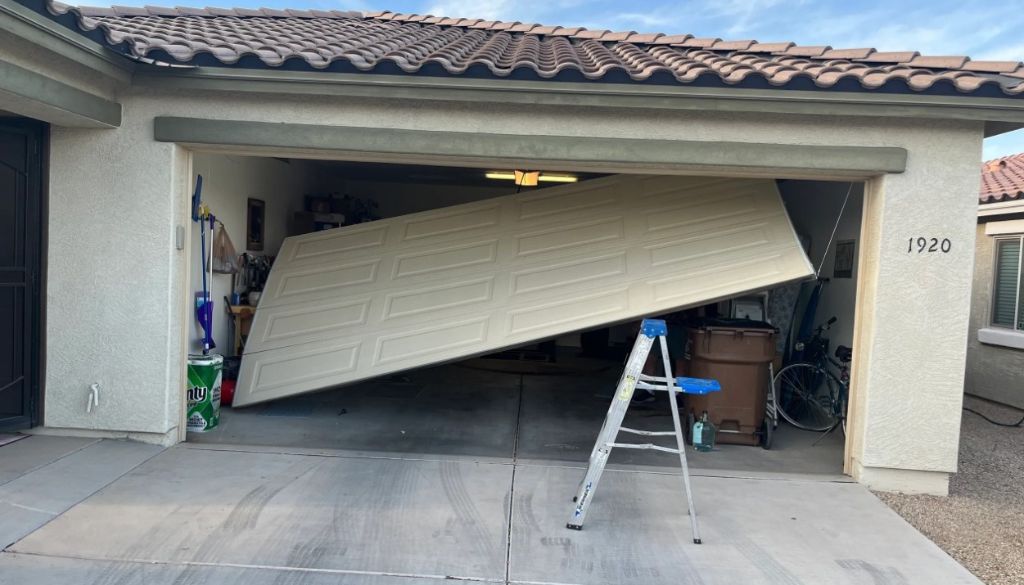
Garage Door Opener Safety Guide for Residential Doors
A residential garage door opener is one of those devices that tends to disappear into the background of daily life. It raises the door when someone leaves for work, lowers it after groceries come in, and responds to a wall button or remote without much thought. That convenience can make the system feel harmless. It is not harmless by default.
An automatic garage door is a powered moving barrier. It operates at the largest opening in many homes, often in a space shared by vehicles, storage, tools, bicycles, pets, and children. The opener is only one part of the system, but it is the part responsible for controlling motion. When it closes, it must be able to stop and reverse if something is in the way. When that protection fails, the hazard is immediate.
Residential automatic garage door openers in the United States are covered by a mandatory federal safety standard. That standard requires entrapment protection, such as a photoelectric “electric eye” sensor or an equivalent safety system. This requirement exists because automatic doors have caused serious and fatal entrapment incidents. The safety features are not extras, upgrades, or nice accessories. They are core parts of a safe residential garage door opener.
Good garage door safety starts with respecting the entire system. The opener, garage door sensors, garage door springs, torsion springs, garage door cables, garage door rollers, and garage door tracks all influence how safely the door moves. A problem in one area can make another area look like the cause. A door that drags in the tracks may seem like an opener problem. A door that does not reverse may involve sensor alignment, opener settings, a mechanical restriction, or more than one issue. That is why careful garage door inspection and measured garage door troubleshooting matter.
What the opener is responsible for, and what it is not
A garage door opener does not “own” the whole door system. Its job is to move and control a door that should already be capable of operating properly. The door itself relies on springs, tracks, rollers, cables, hinges, brackets, and hardware. The opener adds powered movement, controls, and safety reversal features.
This distinction matters during garage door repair. When a homeowner says, “The opener is weak,” the actual problem may be a door that is not moving freely. When someone says, “The motor runs but the door acts strange,” the issue may not be the motor at all. A residential door that is out of balance, binding, damaged, or poorly maintained can put extra strain on the opener and complicate the safety functions.
Garage door balance garage door sources is especially important because the opener should not be treated as a substitute for a properly functioning door. Springs do the heavy lifting in a balanced system. On many residential doors, torsion springs are part of that counterbalance assembly. Those springs are under significant stored force, which is why spring adjustment or replacement is not casual homeowner work. If the door does not move correctly by hand when disconnected according to the manufacturer’s instructions, that condition deserves attention before blaming the opener.
The opener’s safety role is narrower but critical. It should not force the door down onto an obstruction. It should reverse when the closing door meets resistance, and its photoelectric sensors or equivalent entrapment protection should prevent the door from closing when the beam path is blocked. If those protections are missing, defeated, misaligned, ignored, or not tested, the system is not being treated safely.
The federal safety standard is the baseline, not a luxury feature
Automatic residential garage door openers sold for use in the United States must meet a mandatory federal safety standard. A key part of that standard is entrapment protection. Most homeowners recognize this as the pair of photoelectric sensors mounted near the lower part of the door opening. One sends a beam, the other receives it. If something interrupts that beam while the door is closing, the opener should respond by stopping and reversing the door.
Some systems may use an equivalent safety system rather than the familiar photoelectric “electric eye,” but the safety purpose is the same. The opener must have a way to reduce entrapment risk. This is not a cosmetic feature, and it should never be bypassed to get the door working “for now.”
In service work, the temptation to work around a sensor problem is common. Someone bumps a sensor while sweeping the garage, the door refuses to close from the remote, and the homeowner becomes frustrated. The unsafe shortcut is to tape the sensor, hold down the wall button without understanding the issue, or move objects just enough to make the door close once while leaving the root problem unresolved. The safer approach is to treat the behavior as a warning. The system is telling you that its safety circuit needs attention.
A garage door opener that lacks required entrapment protection, or one with safety features that do not work, deserves prompt evaluation. Depending on the age, condition, and type of opener, garage door replacement or opener replacement may be the more responsible path than repeated adjustment. The right decision depends on what is actually installed and whether it can be made to operate safely according to its intended design.
The monthly reversal test
The safety reversal system should be tested monthly. That schedule is easy to overlook because most doors appear to work until the day they do not. Monthly testing creates a habit and catches changes before they turn into dangerous failures.
A proper test should follow the owner’s manual for the specific opener. Manuals matter because opener designs vary, and the manufacturer’s procedure is the controlling guidance for adjustment and testing. The general safety principle is straightforward: a properly functioning opener should reverse when the closing door encounters an obstruction, and the photoelectric sensors or equivalent system should prevent closing when the protected area is interrupted.
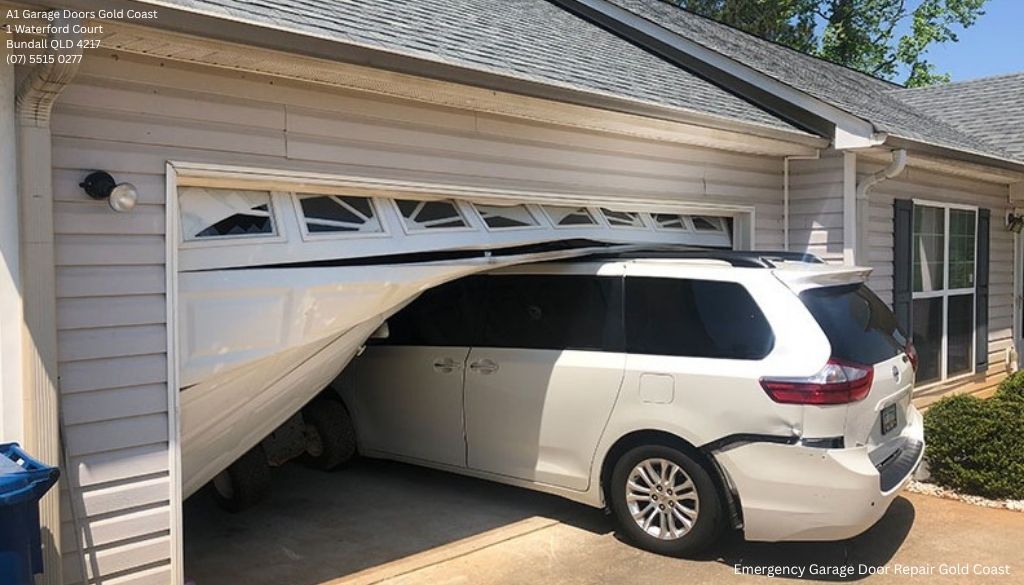
If the door fails the test, do not keep using the opener as though the result were a minor inconvenience. The opener should be adjusted according to the owner’s manual or inspected by a professional. A non-reversing garage door opener is a recognized hazard.
A practical monthly homeowner check can stay simple:
That list is intentionally short. The goal is not to turn every homeowner into a garage door technician. The goal is to make safety testing realistic enough that it actually happens.
What a failed safety test can mean
A failed safety test should be treated seriously, but it does not always point to the same defect. Garage door troubleshooting requires patience because the opener and the door interact.
If the photoelectric sensors are not working, the door may refuse to close normally. The cause may be a blocked path, sensor movement, damage, wiring issues, or another fault in the safety system. The visible symptom is simple: the opener will not complete the closing cycle as expected. The proper response is not to defeat the sensors. The proper response is to restore safe function.
If the door closes onto an obstruction and does not reverse, the risk is more direct. The reversal system is failing to do what it is there to do. Owner’s manuals typically provide adjustment and testing procedures, but if adjustment does not correct the failure, or if the homeowner is uncertain, the system should be inspected by a professional. Continuing to operate a non-reversing opener invites exactly the kind of hazard the safety standard was designed to address.
Sometimes the opener appears to fail because the door is not moving cleanly. Garage door tracks may be bent or obstructed. Garage door rollers may not be traveling smoothly. Garage door cables or springs may be involved in a mechanical problem. Garage door lubrication, when appropriate and performed according to the door and opener manufacturer’s guidance, can be part of routine garage door maintenance, but lubrication is not a cure for damaged hardware, poor balance, or a failed safety system.
A good technician does not diagnose only from the remote control. The door must be observed. The opener must be observed. The safety devices must be tested. The movement of the door through the tracks matters. The condition of hardware matters. In professional garage door repair, the problem is often found by separating the door’s mechanical condition from the opener’s control function, then bringing the system back together safely.
Children, remotes, and the habits that prevent accidents
Children should be taught garage door safety, and remote controls should be kept out of their reach. That advice sounds basic until you see how garages are actually used. The remote may sit in a cup holder. A wall button may be placed at an accessible height. A child may think of the door as a moving toy rather than a heavy powered barrier. An adult may be unloading groceries and assume everyone is clear.
The safest family rule is that the garage door is not a play object. Children should not race under a moving door, hang on door sections, touch sensors, or press controls without permission. Adults should also model the rule. It is difficult to tell a child never to duck under a moving door if adults do it every morning.
Remote control storage deserves more attention than it usually gets. A remote left within reach can turn a garage into a hazard zone quickly. The same applies to keypads and wall controls. The point is not to make the garage inconvenient. The point is to keep control of the door in responsible hands.
Pets create a related concern. A sensor beam can help, but it is not a reason to be careless. Small pets may move unpredictably, and a cluttered garage can narrow sightlines. The operator should be able to see that the door area is clear before closing the door. If the door is controlled from a location where the opening cannot be seen, the homeowner should be especially cautious and should make sure all safety systems are working as intended.
Why non-reversing openers deserve immediate attention
A non-reversing garage door opener is not merely “out of adjustment.” It is a hazard until proven otherwise. The entire safety concept depends on the opener responding properly when the closing door meets an obstruction or when the entrapment protection detects something in the path.
The concern is not theoretical. Automatic garage doors have been involved in fatal entrapment incidents, which is why federal attention to opener safety became necessary. The monthly test is not busywork. It is a direct response to a real risk.
There is also a psychological trap with safety systems. If a door has worked for years, the owner may assume it will keep working. But vibration, wear, accidental bumps, poor maintenance, environmental conditions, and previous repairs can all change how a system behaves. A sensor that worked last spring may not be aligned now. An opener that reversed properly last month may fail this month. Testing is the only reliable way to know.
When a non-reversing condition appears, the safest sequence is calm and deliberate. Stop regular opener use. Check the owner’s manual for the correct test and adjustment procedure. If the issue is not resolved clearly and safely, call a qualified garage door repair professional. The cost of a service visit is small compared with the potential consequence of a door that does not reverse.
Installation safety is part of opener safety
Garage door installation and opener installation are physical jobs, not just wiring and brackets. Work often takes place at ceiling height, in cramped spaces, and around awkward postures. Hand tools, overhead components, ladders, and restricted working areas introduce hazards even before the door moves under power.
That is one reason careful, staged work matters. An installer should not rush the process just to get the motor mounted. The support, alignment, controls, and safety devices all affect final performance. The photoelectric sensors or equivalent entrapment protection must be installed and working. The opener should be tested after installation, and the homeowner should understand the basic safety checks.
A garage door opener installation is also the wrong time to ignore an old or poorly operating door. If the door itself needs garage door maintenance or repair, installing a new opener may simply mask the problem for a while. Worse, it may create unsafe expectations. A new opener attached to a door with unresolved mechanical issues is not a complete safety solution.
Professional judgment matters here. Sometimes the right recommendation is a new opener. Sometimes it is door repair before opener replacement. Sometimes garage door replacement is the more sensible long-term option because the door system no longer supports safe, reliable operation. The honest answer comes from inspecting the whole system, not from selling a single component.
The role of the door’s mechanical parts
The opener’s safety system gets most of the attention, but the door’s mechanical parts deserve equal respect. Garage door springs counterbalance the door. Torsion springs, where used, store force. Garage door cables help transfer that force through the lifting system. Garage door rollers guide the door through the garage door tracks. When these parts work together, the door moves predictably. When they do not, the opener may struggle, jerk, stop, or behave inconsistently.
Homeowners can observe many symptoms without touching dangerous parts. A door that appears crooked, shakes heavily, scrapes, drags, or changes speed unexpectedly should not be dismissed. A cable that appears loose or displaced, a spring that appears damaged, or a roller that has come out of position calls for professional attention. The opener may still move the door for a while, but continued operation can increase risk.
Garage door lubrication can be part of regular care, but it should be done thoughtfully and only where appropriate for the system. Overconfidence with lubricants causes its own problems. Lubrication does not straighten a bent track, restore a damaged cable, or repair a failed spring. It is maintenance, not magic.
Garage door balance is another area where homeowners often sense a problem before they can name it. If the door feels unusually heavy, drops, rises unexpectedly, or will not stay where it should when manually operated according to the manufacturer’s instructions, the counterbalance system may need service. Because springs are involved, this is an area for trained repair, not guesswork.
When the door will not close
A door that will not close is one of the most common calls involving a garage door opener. The homeowner may be trying to leave for work, rain may be blowing into the garage, or the door may stop halfway down at night. Frustration makes shortcuts tempting.
The first question should be whether the safety system is doing its job. If the sensor path is blocked, the opener should not close the door normally. That can feel like a failure when the obstruction is a storage bin, a broom, a bicycle tire, or a sensor knocked out of position. In that case, the refusal to close may be the safe response.
The second question is whether the door is moving freely and predictably. A door that binds can cause opener behavior that looks like an electrical problem. A door that has shifted in its tracks may stop or reverse because the opener senses resistance. Repeatedly pressing the remote without understanding the cause is poor practice.
The third question is whether recent activity changed anything. A car may have bumped the door. A child may have moved a sensor. Stored items may have been stacked near the opening. A previous repair may have altered the system. Garage door troubleshooting should start with careful observation before adjustment.
Here are signs that the problem should be treated as more than a simple nuisance:
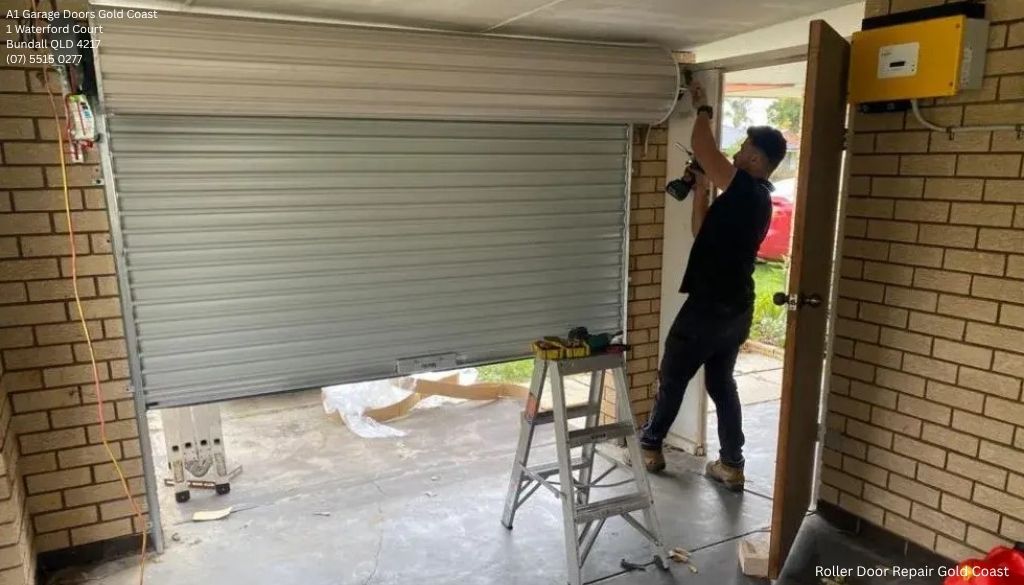
Those conditions point toward inspection or professional garage door repair rather than repeated remote-control attempts.
When replacement is the safer choice
Repair is often appropriate, but not always. Garage door replacement or opener replacement becomes the safer choice when the existing equipment cannot be restored to dependable safe operation, lacks required safety features, or no longer fits the condition of the door system.
For an opener, the presence and function of entrapment protection are central. If an older installation lacks photoelectric sensors or an equivalent system required for residential automatic openers, that is a major concern. If safety reversal cannot be made reliable through proper adjustment and repair, continued use is hard to justify.
For the door, replacement may enter the discussion when the mechanical system is damaged, unstable, or repeatedly failing. A new opener will not turn a compromised door into a safe door. Conversely, a sound door with a failing opener may only need opener replacement. The decision depends on inspection.
Homeowners sometimes resist replacement because the door “still works.” That phrase needs context. A door can still go up and down while failing a safety test. It can still close while relying on a non-reversing opener. It can still move while hardware is under stress. Safe operation is a higher standard than occasional movement.
What a professional inspection should accomplish
A useful garage door inspection is not a quick glance at the opener light. It should answer whether the door operates safely, whether the opener’s entrapment protection works, and whether the mechanical parts support reliable movement.
The technician should observe the door through a full cycle, test safety reversal according to appropriate procedures, examine the sensor system, and look for signs of mechanical trouble involving tracks, rollers, cables, springs, and related hardware. The inspection should also consider whether the opener and door are suited to each other. When garage door installation has been done poorly, the symptoms may show up later as noise, uneven movement, sensor complaints, or repeated service issues.
A professional should also explain risk plainly. There is a difference between a nuisance adjustment and a safety failure. If a door does not reverse, that should be garage door repairs in Gold Coast said directly. If sensors are misaligned, missing, or defeated, that should be corrected rather than normalized. If springs or cables present a hazard, the homeowner should understand why the repair is not a do-it-yourself adjustment.
Good service leaves the homeowner better informed. The owner should know how to perform the monthly safety check, where the manual is or how to access it, what behavior is normal for the installed opener, and when to stop using the system.
The homeowner’s part in long-term safety
Garage door safety is not complicated, but it does require consistency. Test the reversal system monthly. Keep remote controls away from children. Teach children that the door is not a toy. Keep the opening clear. Pay attention when the door sounds different, moves differently, or refuses to close. Do not bypass safety sensors. Do not keep using an opener that fails to reverse.
The best homeowners I have dealt with are not the ones who know every technical term. They are the ones who notice changes and respond early. They remember that a garage door is a moving system, not just an appliance. They do not wait for a cable to come loose, a roller to jump, or an opener to grind through repeated failed cycles before asking for help.
Professional garage door maintenance can support that habit, especially on doors that see frequent use. A busy household may cycle the door many times each day. Over time, vibration, movement, and ordinary wear change the way parts behave. Periodic inspection helps catch those changes while the repair is still straightforward.
The safety standard sets the baseline. Monthly testing keeps the baseline alive. Sound installation, careful repair, proper maintenance, and responsible use fill in the rest. A residential garage door opener should make life easier, but it should never be trusted blindly. The few minutes spent checking sensors, reversal, and door movement are a small price for knowing the largest moving door in the home is behaving the way it should.