Understanding Garage Door Cycle Ratings: What "10,000 Cycles" Really Means
When a technician talks about a spring rated for 10,000 or 25,000 cycles, the number can sound abstract, but it is the single most useful figure for predicting how long your garage door hardware will last. Cycle ratings translate the mechanical reality of metal fatigue into a practical estimate you can match to your own household's habits. Once you understand how cycles relate to everyday use, you can choose hardware that suits your home and stop being surprised by failures that were, in fact, entirely predictable. Below you'll find what a cycle actually is, how to estimate your own usage, and why the right rating matters more than the calendar age of your door.What a Cycle Actually Is
One cycle is a single full open and a single full close of the door. Open the door to leave in the morning and close it behind you, then open it again on your return and close it for the night, and you have used four cycles in a day. The cycle rating of a spring is the manufacturer's estimate of how many of these open-close movements the steel can endure before fatigue brings it to the end of its working life.
This is why two identical springs can last very different lengths of time. The one on a quiet household door may see two cycles a day, while the one on a busy family door doubling as the main entrance may see ten or more. Same spring, very different lifespan in years.
Turning Cycles Into Years
To estimate the life of a spring, count your daily cycles and divide the rating by the yearly total. A door used four times a day racks up roughly 1,460 cycles a year. A spring rated at 10,000 cycles would therefore last around seven years, while one rated at 25,000 cycles could stretch local garage door repairs Gold Coast beyond fifteen.
Now picture a household where the garage is the main way in and out, with the door opening eight times a day. That is close to 3,000 cycles a year, and the same 10,000-cycle spring is spent in a little over three years. The rating did not change; the usage did.
Why Higher-Rated Hardware Can Be Worth It
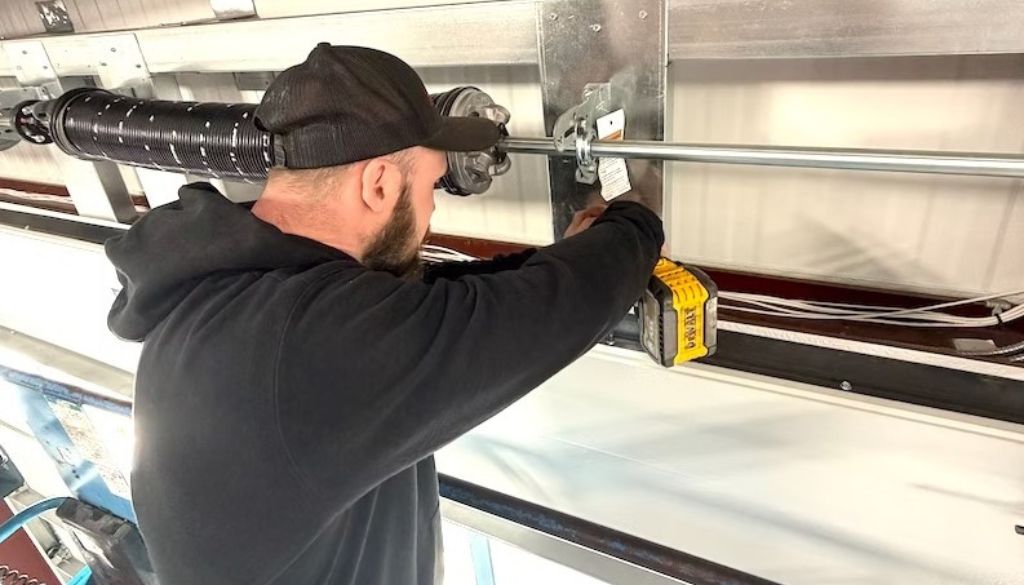
Higher-cycle springs are wound from heavier wire and built to flex through more cycles before fatiguing. For a busy door, stepping up to a higher rating can mean the difference between replacing springs every few years and barely thinking about them for a decade or more. For a lightly used door, a standard rating may be perfectly adequate, so the right choice depends on honest assessment of your own usage rather than always reaching for the highest number.
Cycle Ratings Apply Beyond Springs
Springs are the headline example, but other components have working lives too. Rollers, hinges, cables and the opener itself all wear with use. A door that cycles heavily will work through rollers and bearings faster, which is why high-use doors benefit from quality rollers and regular lubrication. Thinking in cycles rather than years gives a more honest picture of when maintenance and replacement are due across the whole system.
Common Homeowner Mistakes
- Judging lifespan by age alone: A five-year-old spring on a busy door may be more worn than a ten-year-old spring on a quiet one.
- Always buying the cheapest springs: On a high-use door, low-cycle springs lead to frequent replacement and repeated inconvenience.
- Overpaying for an unused rating: A lightly used door rarely needs the very highest cycle hardware.
- Ignoring usage when adding a second living space: Converting the garage into a main entrance dramatically increases cycles and shortens spring life.
How Technicians Use the Numbers
A good technician asks how often you use the door before recommending hardware. They match the spring's wire size and cycle rating to both the door's weight and your usage pattern, aiming for a sensible balance between upfront cost and how often you will be calling them back. They can also explain the expected life in years for your specific situation, so the next replacement is something you can plan for rather than be ambushed by.
When to Call a Professional
If you are unsure what your current springs are rated for, if your usage has changed significantly, or if you are tired of replacing springs more often than you would like, a technician can assess the door and recommend hardware matched to how you actually use it. They can also advise on higher-cycle options where the maths makes sense.
Frequently Asked Questions
How do I find out my spring's cycle rating?
It is not usually marked on the spring itself. A technician can identify it from the wire size, length and diameter, or estimate it from the door's history.
Does a higher cycle rating make the door safer?
Not directly. It makes the springs last longer, which reduces the chance of an unexpected failure, but safe operation depends on correct installation and balance.
Can I just count cycles to know when to replace springs?
Estimating cycles gives a useful guide, but condition matters too. Corrosion and balance changes can bring failure forward, so periodic inspection still helps.
Is it worth upgrading to high-cycle springs?
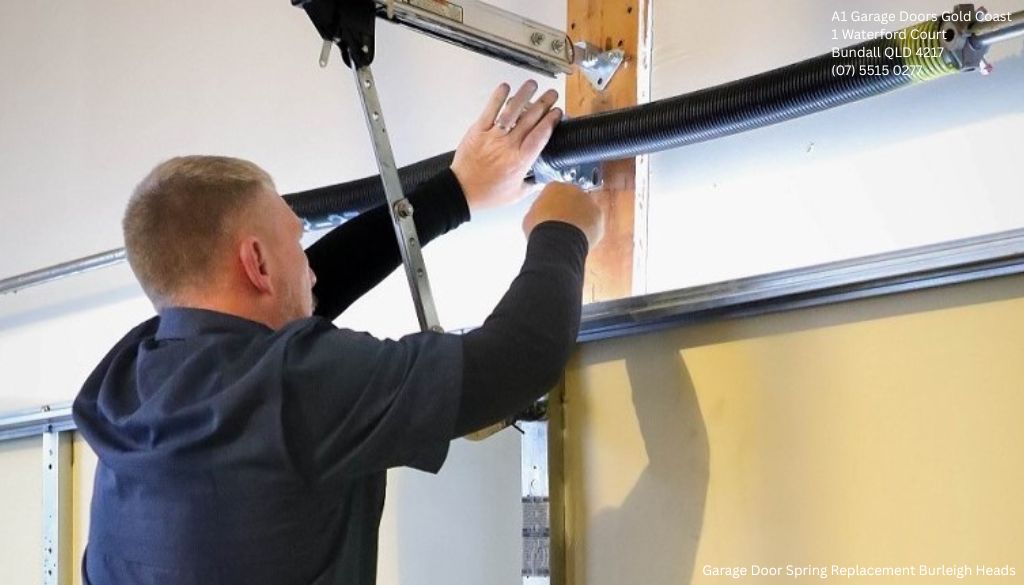
For a heavily used door, often yes. For a door used only a couple of times a day, standard springs may serve you just as well.
About A1 Garage Doors Gold Coast
A1 Garage Doors Gold Coast services homes and businesses across the Gold Coast and surrounding suburbs for repairs, replacements and installations. Contact details are below.
A1 Garage Doors Gold Coast
1 Waterford Court, Bundall, QLD 4217 Phone: (07) 5515 0277 Website: https://goldcoastgaragedoorrepair.com.auA cycle rating is simply a count of open-and-close movements, and it predicts spring life far better than the calendar does. By estimating your own daily cycles you can work out roughly how long a given spring will last, and decide whether a higher rating is worth it for your household. Think in cycles rather than years across the whole door, and replacement becomes something you plan for rather than something that catches you off guard.