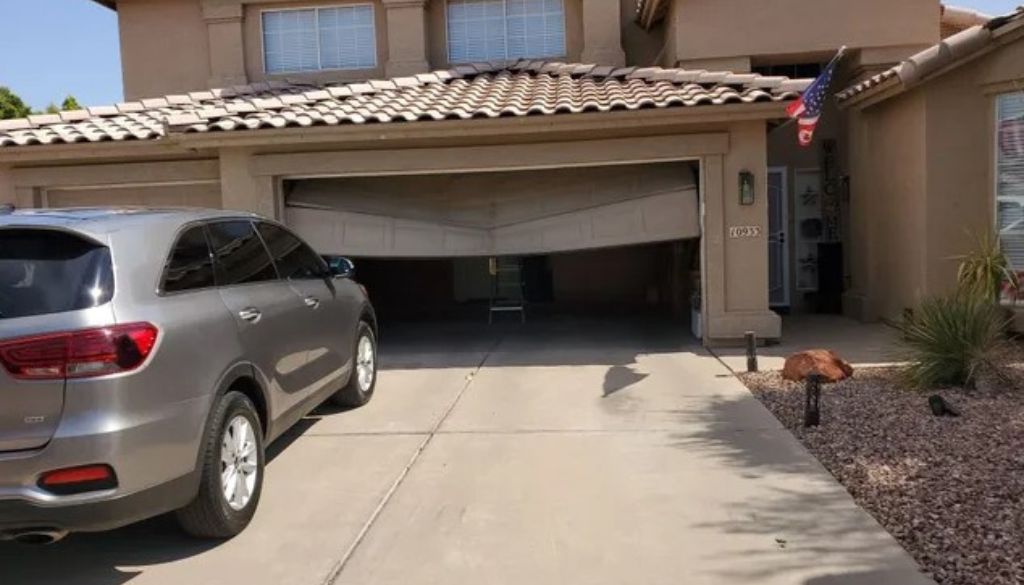
Garage Door Repair Guide Focused on Safety Reversal Systems
A garage door that opens smoothly can still be unsafe. That is one of the most important lessons in garage door repair, and it is also one of the easiest to overlook. Homeowners often call for service because the door is noisy, slow, crooked, or stuck halfway. Those symptoms matter, but the safety reversal system deserves equal attention because it is designed to prevent entrapment when an automatic garage door closes.
Automatic residential garage door openers in the United States are covered by a mandatory federal safety standard. These openers must include entrapment protection, such as a photoelectric “electric eye” sensor or an equivalent safety system. That requirement exists for a concrete reason: a closing garage door can create a serious hazard if it does not stop and reverse when it should.
The practical takeaway is simple. Any serious garage door inspection should include the safety reversal system. Any garage door maintenance routine should include a monthly reversal test. Any garage door troubleshooting visit should treat a non-reversing opener as a safety problem, not merely an inconvenience.
Why the safety reversal system deserves first attention
Most homeowners notice the mechanical side of the door first. They hear a scrape from the garage door tracks, see worn garage door rollers, worry about garage door cables, or suspect tired garage door springs. Those parts are important, and some of them can present serious hazards when damaged or mishandled. But the opener’s entrapment protection plays a different role. It is the last line of defense when the door is closing and something is in the way.
A properly functioning automatic opener should reverse when the door closes onto an obstruction. The photoelectric sensors, often mounted near the bottom of the door opening, are meant to detect an interruption across the doorway. If the system is not working, the door may continue closing when it should stop.
The Consumer Product Safety Commission has repeatedly warned that non-reversing garage door openers are hazardous. It also advises that safety reversal systems be tested monthly. If the door fails the test, the opener should be adjusted according to the owner’s manual or inspected by a professional. That instruction is worth taking literally. A garage door opener that does not reverse is not “mostly working.” It is failing at a safety function.
In the field, this distinction matters. A homeowner may describe the issue as, “The door goes down fine, but the light on one sensor flickers,” or “It only reverses sometimes.” Intermittent behavior should not be brushed aside. Safety systems need consistency. A reversal system that works nine times out of ten still leaves the tenth closing cycle unprotected.
What a safety reversal system is meant to do
The safety reversal system is part of the automatic garage door opener’s entrapment protection. Depending on the opener, that protection may include photoelectric sensors or an equivalent safety system. The goal is not comfort or convenience. The goal is to reduce the risk that a person, especially a child, could become trapped by a closing door.
A common setup uses garage door sensors positioned across the opening so that an invisible beam spans the doorway. When the beam is interrupted while the door is closing, the opener should stop and reverse. This is why sensor alignment, secure mounting, clean sightlines, and reliable wiring all matter. If the opener cannot confirm that the path is clear, it local garage door installation team Gold Coast should not behave as though everything is safe.
There is also a separate reversal behavior associated with the door contacting an obstruction while closing. The important owner-level point is that the door should reverse when it closes onto an obstruction. If it does not, the issue should be handled promptly through the owner’s manual adjustment procedure or by a qualified garage door repair professional.
This is where judgment matters. A homeowner can usually perform a basic monthly test if the owner’s manual describes it. But diagnosing why a system fails may involve more than wiping a sensor lens. The trouble may relate to sensor positioning, opener settings, door movement, track conditions, or mechanical resistance in the door. A safe repair approach does not isolate the opener from the rest of the door system.
The monthly test that should not be skipped
Monthly testing sounds frequent until you consider how often a garage door operates. Many households use the garage as the main entrance. A door may cycle several times a day, in the morning rush, after school, during errands, and at night. Repeated operation makes it easy for small changes to become normal. A door that hesitates a little, reverses oddly, or closes with more force than expected can become part of the background.
The safety reversal test should be done with care and according to the opener’s owner’s manual. The purpose is to confirm that the opener reverses when it should. If the test fails, do not continue using the opener as if the result were uncertain. The CPSC guidance is direct: adjust the opener according to the owner’s manual or have it inspected by a professional.
A monthly safety check can be short, but it should be deliberate:
That last point belongs in the same conversation as repair. Garage door safety is not only mechanical. Children should be taught that a garage door is not a toy, not a race gate, and not something to duck under while it is moving. Remote controls should be kept out of their reach. A well-adjusted opener reduces risk, but it does not replace supervision and good habits.
When a reversal failure is not just a sensor problem
A common mistake in garage door troubleshooting is to blame the garage door sensors immediately. Sometimes that is correct. A sensor may be blocked, misaligned, loose, or otherwise unable to do its job. But a reversal failure can also point to a broader issue with the door system.
The opener does not operate in isolation. It moves a heavy door through tracks with rollers, cables, springs, hinges, and brackets. If the door binds in the garage door tracks, if the garage door rollers do not travel smoothly, or if the door is poorly balanced, the opener may struggle. That does not mean every homeowner should start adjusting parts. It means the safety reversal system should be evaluated in the context of the whole door.
Garage door balance is especially important because the opener is not supposed to compensate for a badly performing door. A door that is difficult to move can strain the opener and make troubleshooting misleading. The symptoms may appear at the opener, but the cause may sit elsewhere in the system. This is one reason professional garage door inspection often starts by observing the door’s movement before making adjustments.
Garage door springs deserve particular respect. Torsion springs and other spring systems are part of what counterbalances the door. They are under stored energy, and repair work around them should not be treated as routine household tinkering. The same caution applies to garage door cables and other load-bearing parts. A homeowner can notice symptoms and request service. A trained technician should handle high-risk adjustment and replacement work.
The difference between maintenance and repair
Garage door maintenance and garage door repair overlap, but they are not the same. Maintenance is preventive. Repair responds to a problem that already exists. A reversal system failure belongs closer to repair because it affects safe operation. Still, good maintenance reduces the chance that safety problems go unnoticed.
A careful maintenance visit should include observation. Does the door close smoothly? Does it hesitate? Does it reverse unexpectedly? Are the sensors installed and working? Does the opener respond consistently? Are there obvious obstructions near the sensor path? These questions do not require guesswork, and they often reveal whether the system needs deeper inspection.
Garage door lubrication can also be part of routine care, but it should be handled with the correct product and method for the specific door. The owner’s manual or manufacturer guidance should control here. Lubrication is not a cure for a failing safety system. It may help moving parts operate more smoothly where appropriate, but it will not make a defective reversal system safe.
The same applies to tightening, alignment, and adjustment. Minor visible issues may look easy to correct, yet a garage door is a connected assembly. Changing one part can affect the way another part behaves. If the opener fails a reversal test, the safest path is to follow the owner’s manual or call a professional rather than improvising.
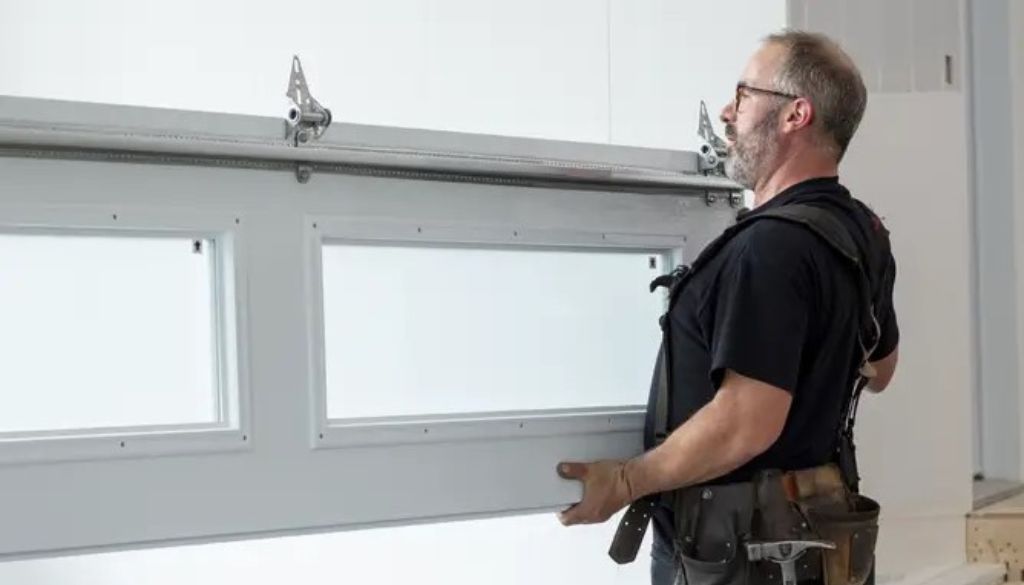
What technicians look for during safety-focused garage door repair
A professional safety-focused service call is not limited to pressing the wall button and watching the door move. The technician needs to understand whether the automatic opener, the entrapment protection, and the door itself are working together correctly.
The visit usually begins with the customer’s description. A good technician listens for clues: the door reverses only in the morning, the sensors appear to work after being bumped, the opener light flashes, the door closes from the wall control but not the remote, or the door stops just before touching the floor. Not every detail will point to the same cause, but patterns matter.
Then comes observation. The door’s travel, speed, sound, and consistency tell a story. A smooth door with an obvious sensor interruption is different from a door that grinds through its tracks and reverses unpredictably. A technician will also look at whether the entrapment protection is present and whether it appears to be installed in a way that allows it to function.
Garage door tracks and garage door rollers receive attention because poor travel can mimic opener trouble. Garage door cables and springs are inspected because they affect balance and safe movement. The opener is checked because its settings, response, and connection to the door all influence closing behavior. The safety reversal system is tested because no repair is complete if the door still fails to reverse properly.
This kind of inspection takes discipline. It is tempting to fix the most obvious symptom and leave. But with safety reversal systems, the repair is only successful if the safety function works after the adjustment or replacement. A quiet door that does not reverse safely is not a finished job.
Opener age, replacement decisions, and modern safety expectations
Garage door replacement usually refers to the door itself, but safety concerns can also lead to garage door opener replacement. The key question is not whether the opener still hums or pulls. The question is whether it provides required entrapment protection and reverses properly when tested.
Automatic residential garage door openers are subject to a mandatory federal safety standard, and entrapment protection is not optional. If an older opener lacks the required safety features, or if its safety system cannot be made reliable, replacement may be the responsible choice. A repair that leaves the home with a non-reversing opener does not solve the real problem.
There is a trade-off here that experienced technicians see often. A homeowner may want the least expensive fix, especially if the opener still seems strong. But if the safety reversal system is unreliable, the lower-cost option may not be acceptable. On the other hand, not every issue requires replacing the entire opener. A blocked or misaligned sensor, a setup problem, or an adjustment specified by the manual may be correctable. The right answer depends on the condition of the equipment and whether the system can pass its safety checks consistently.
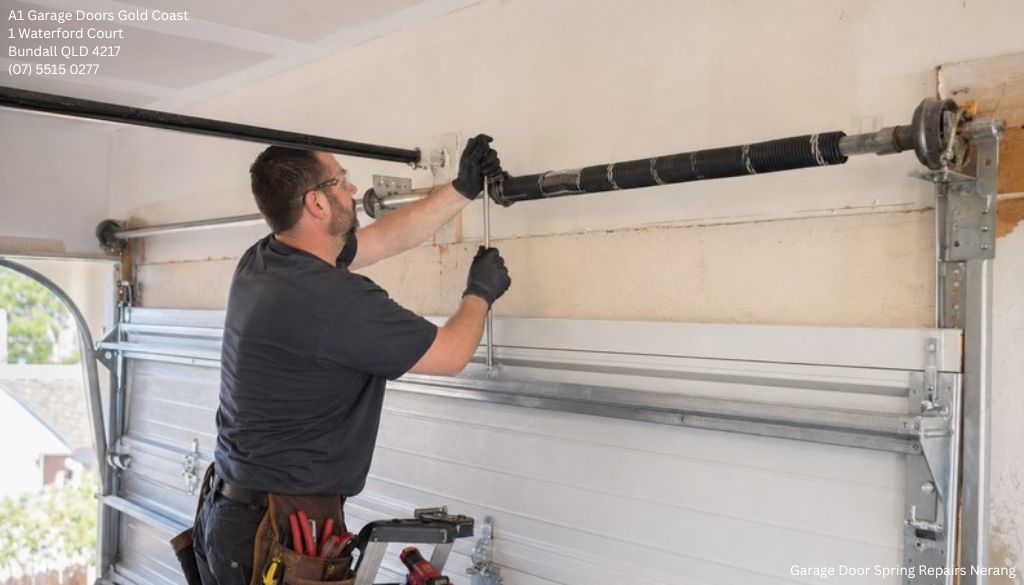
Garage door installation is another point where safety can either be built in or compromised. Installation and repair work often happens at ceiling height, in cramped spaces, and with hand tools. Those conditions create physical hazards for installers and repair technicians. Careful staging, stable working positions, and respect for awkward postures matter. Rushing overhead work increases the chance of mistakes, and mistakes around a moving door system can affect both worker safety and homeowner safety.
A proper installation should not be judged only by whether the door opens on the first try. The opener, sensors, door balance, track alignment, and reversal function all need attention before the job is treated as complete.
Why children and remote controls belong in the repair conversation
It may seem odd to discuss children during a garage door repair guide, but it belongs here. The CPSC has specifically advised that children be taught garage door safety and that remote controls be kept out of their reach. That guidance reflects real risk. A child may see a garage door as something to race under, hang near, or activate repeatedly. A remote clipped in the wrong place can turn a safety system into a temptation.
A working reversal system is essential, but it is not permission to behave casually around a moving door. The best habit is to keep people clear of the doorway while the door is operating and to watch the door until it finishes moving. Children should understand that the door is heavy equipment attached to an automatic operator, not a household toy.
Remote control storage is a simple example of prevention. A remote left where a child can reach it may be pressed without an adult seeing the door area. The door might be operating correctly, but safe operation depends on more than equipment. It depends on controlling who can activate the equipment and when.
Common symptoms that call for immediate attention
Some garage door problems can wait for a scheduled service appointment. A safety reversal failure should not. If the door does not reverse during the monthly test, the opener should be adjusted according to the owner’s manual or inspected by a professional. If the door closes despite an interrupted sensor path, that is not a normal nuisance. If the system behaves inconsistently, that inconsistency itself is the warning.
Other symptoms deserve attention because they may interfere with safe closing. A door that jerks, tilts, or binds may have issues with the tracks, rollers, cables, or springs. A door that reverses for no visible reason may have a sensor problem, a door movement problem, or an opener adjustment issue. A door that requires repeated button presses to close may be telling you that the opener is not receiving the safety signal it expects.
A few red flags should move the situation from “watch it” to “stop and address it”:
These signs do not all prove the same failure, but they all justify caution. The safest response is to pause automatic use and correct the issue before normal operation resumes.
The owner’s manual matters more than guesswork
Garage doors vary, and garage door openers vary. That is why the owner’s manual matters. It gives model-specific guidance for testing and adjustment. The CPSC guidance does not tell homeowners to invent their own method when the door fails to reverse. It says the opener should be adjusted according to the owner’s manual or inspected by a professional.
That distinction protects people from well-meaning but unsafe improvisation. For example, a homeowner might assume that increasing opener force will solve a closing problem. Without proper diagnosis, that kind of change can work against safety. Another homeowner might bypass or ignore a sensor issue because holding the wall button seems to close the door. A workaround is not a repair if it defeats or avoids a safety function.
The better habit is to treat the manual as the boundary for homeowner action. If the manual describes a test, perform it carefully. If it describes a simple adjustment and the homeowner is comfortable following it exactly, that may be appropriate. If the door still fails, or if the issue involves springs, cables, balance, tracks, or uncertain sensor behavior, bring in a professional.
How safety systems fit into a full garage door inspection
A full garage door inspection should not separate safety from performance. The door’s smoothness, balance, hardware condition, opener operation, and sensor function are connected. A door that moves well gives the opener a fair chance to operate correctly. An opener with reliable entrapment protection gives the household a safer closing cycle. Good maintenance keeps small issues visible before they become emergencies.
The inspection should also account for the environment. Garage spaces are often crowded. Stored items can drift into the sensor path. Tools, bicycles, boxes, and seasonal equipment may sit near the opening. Even when nothing is wrong with the opener, a blocked sensor can stop normal closing or create confusion. Keeping the area near the sensors clear is a simple habit that supports safety.
Cramped garages also affect repair work. Installation and service tasks often require working overhead or in awkward positions. That increases the need for careful staging and professional judgment. A rushed repair in a tight garage can miss a sensor alignment issue, overlook a binding door, or leave an opener untested after adjustment.
A safety-focused inspection ends with verification. The technician or homeowner should not assume the repair worked because the door moved once. The reversal system should be tested, and the door should be observed through a complete cycle. If the system fails, the job is not finished.
Repair, replacement, and the honest cost discussion
Cost conversations around garage door repair can be uncomfortable because safety does not always align with the cheapest immediate option. A sensor adjustment may be modest. A more involved diagnosis may cost more. A garage door opener replacement costs more still. But a non-reversing opener is a known hazard, and the decision should reflect that.
The honest approach is to separate cosmetic concerns from safety concerns. A scratched panel, a noisy hinge, or an aging remote may be annoying. A failed reversal system is different. It affects whether the door can respond properly when something is in its path. That does not mean every safety complaint requires a new door or opener, but it does mean the repair must restore the safety function.
Garage door replacement may enter the conversation if the door itself is damaged, poorly operating, or no longer suitable for reliable use with the opener. Garage door opener replacement may be needed if the opener lacks required entrapment protection or cannot be adjusted or repaired to operate safely. Between those extremes are many ordinary repairs, including sensor correction, track attention, roller service, cable inspection, spring-related work by qualified personnel, and opener adjustment according to manufacturer instructions.
A professional recommendation should explain the reason behind the repair, not just name the part. “Replace the opener” is less useful than “the opener cannot provide reliable entrapment protection.” “Adjust the sensor” is less useful than “the sensor alignment is preventing the safety system from confirming a clear doorway.” Clear explanations help homeowners make decisions based on risk, not pressure.
A practical standard for everyday use
The standard for everyday use is straightforward: the door should move smoothly, the opener should operate predictably, and the safety reversal system should work when tested. If any one of those conditions fails, the door deserves attention.
Homeowners can support that standard with simple habits. Watch the door while it closes. Keep the sensor area clear. Test the safety reversal system monthly. Store remotes away from children. Treat failed tests seriously. Do not ignore a door that starts behaving differently.
Professionals can support the same standard by refusing to treat safety devices as optional. A garage door repair that leaves the opener unable to reverse properly is not complete. A garage door installation that does not verify entrapment protection is not finished. A maintenance visit that never checks the sensors has missed one of the most important parts of the system.
The garage door is one of the largest moving systems in many homes, and the automatic opener gives it daily convenience. That convenience depends on trust. The safety reversal system is a major part of that trust. Keep it installed, keep it working, test it monthly, and address failures before the next normal cycle becomes the one that exposes the risk.