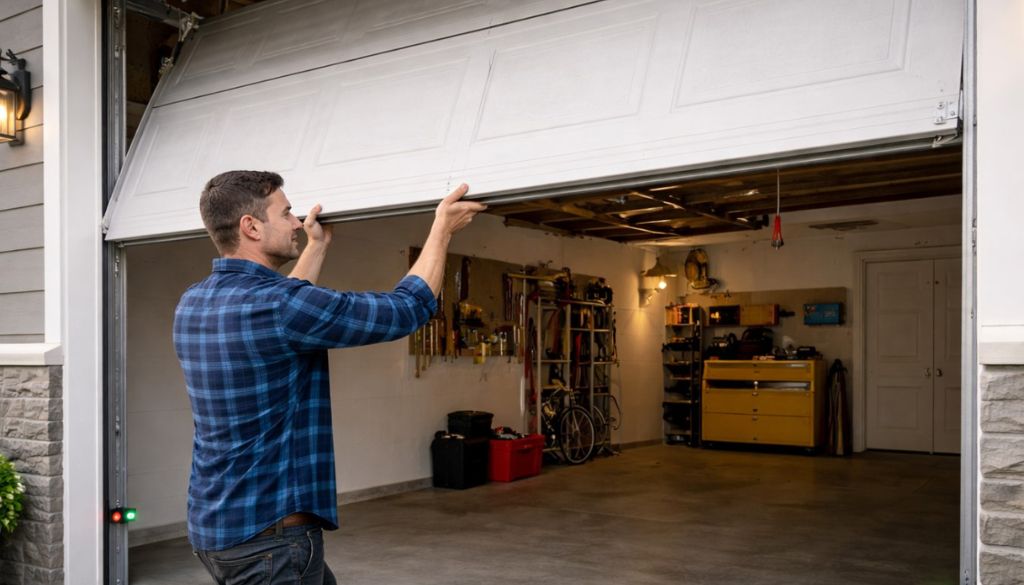
Garage Door Opener Guide for Federal Safety Expectations
A residential garage door opener is easy to treat as a convenience appliance. Press the remote, the door moves, the car gets parked, the day continues. In the field, though, a garage door opener sits in a different category from most household equipment because it moves a large, heavy door through a space where children, pets, vehicles, storage items, and adults regularly pass. That is why automatic residential garage door openers in the United States are covered by a mandatory federal safety standard.
The core expectation is straightforward: a residential automatic garage door opener must include entrapment protection. In ordinary homeowner language, that means the opener must have a way to detect a person or object in the path of the door and stop or reverse before the door traps someone. A photoelectric “electric eye” sensor is the most familiar example, though the federal expectation allows an equivalent safety system. The practical question for homeowners is not just whether the opener worked yesterday. It is whether the safety system still works today, under real operating conditions, after years of vibration, dust, bumped storage bins, misaligned brackets, and rushed use.
That distinction matters. A garage door opener can lift and lower the door and still be unsafe. The motor may hum along, the remote may work from the driveway, the wall button may light up, and the door may still fail a safety reversal test. Federal safety expectations focus on that failure point because non-reversing garage door openers have caused serious harm. Fatal entrapment incidents have been documented, which is why safety reversal systems are not decorative accessories. They are central parts of the opener system.
What federal safety expectations mean in everyday terms
The federal safety standard for automatic residential garage door openers is not aimed at making the equipment complicated. It exists because a closing garage door can create an entrapment hazard. The standard requires entrapment protection such as a photoelectric sensor system or an equivalent safety system. For most homeowners, the visible part of that requirement is a pair of garage door sensors mounted near the bottom of the door opening, one on each side, aimed at each other across the path of the door.
When those sensors work correctly, they help prevent the door from closing on something in the doorway. If the beam is blocked while the door is closing, the opener should respond by stopping and reversing. If the door continues downward as if nothing happened, that is not a minor annoyance. It is a garage door safety problem that needs attention before normal use continues.
The same principle applies to the opener’s reversing function. A properly functioning opener should reverse when the closing door contacts an obstruction. The safety system should be tested monthly. If the door fails to reverse, the homeowner should follow the adjustment instructions in the owner’s manual or arrange for inspection by a qualified professional. That monthly schedule is one of the most practical pieces of garage door maintenance a household can adopt because it catches a dangerous condition before a person discovers it by accident.
In homes with children, the expectations go beyond hardware. Children should be taught that a garage door is not a toy, not a race challenge, and not a moving wall to duck under. Remote controls should be kept out of their reach. That advice may sound basic until you have seen a child press a remote repeatedly just to watch the door move. The opener turns into entertainment quickly, and the door’s weight and travel path are not forgiving.
The safety reversal system is not optional
A non-reversing opener is one of the clearest warning signs in garage door troubleshooting. The door may close beautifully from a mechanical standpoint, but if it does not reverse when it should, the opener is unsafe for routine use. That is why federal guidance has repeatedly warned about non-reversing garage door openers.
The safety reversal function is sometimes misunderstood. Homeowners may assume it only relates to the photoelectric sensors. In practice, the concern is broader: the opener needs a working safety system that addresses entrapment risk. The photoelectric sensors are one part commonly seen on residential systems, and the opener’s reversal behavior is another critical performance issue. Both deserve attention during a garage door inspection.
There is also a human factor. People tend to normalize gradual failure. A sensor light flickers, but the door still closes after holding the wall button. The door reverses randomly, so someone nudges a sensor bracket with a foot. The opener strains, so the close force is adjusted without understanding the system. Those workarounds may get the door shut tonight, but they can also mask the condition federal safety expectations are meant to prevent.
A safe opener should not require tricks. If the only way to close the door is to hold a control continuously, bypass a sensor issue, or repeatedly press the remote until the door finally stays down, the system is asking for service. Sometimes the fix is simple, such as cleaning or realigning sensors according to the owner’s manual. Sometimes the issue points to broader garage door repair needs, including door balance problems or worn hardware that makes the opener work harder than intended. The important point is that the safety system should be restored, not defeated.
Monthly testing that homeowners can actually maintain
The most useful safety routine is the one a homeowner will repeat. Monthly testing does not need to become a complicated ritual, but it should be deliberate enough to reveal whether the opener reverses as expected and whether the sensors are present and functioning. The owner’s manual remains the controlling guide for adjustment and model-specific procedures, especially because openers and safety systems are not all identical.
A short monthly check can include these essentials:
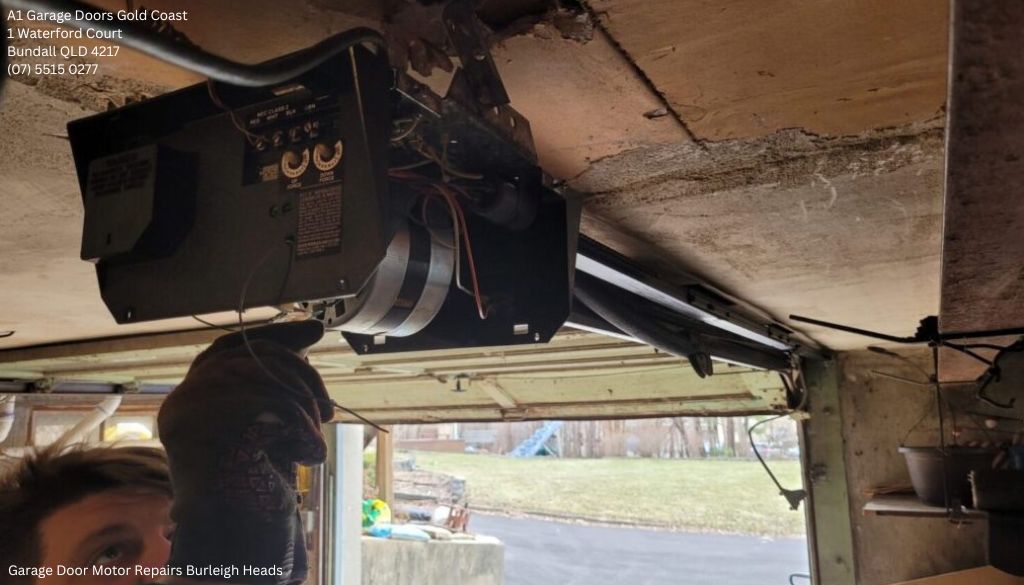
That final step is where many households fall short. A failed reversal test is not a note for someday. It is a present safety defect. If the adjustment instructions are clear and within the homeowner’s ability, the manual may provide the next action. If the instructions are unclear, the door is heavy, the hardware looks worn, or the opener behavior remains inconsistent, the safer choice is professional garage door repair.
The monthly test also creates a useful baseline. After a few months, you learn what normal sounds and motion look like for your own door. You notice when the opener starts stopping differently, when the door shudders at the same point in travel, or when the sensors become touchy after something in the garage changes. That familiarity helps prevent small defects from becoming urgent failures.
Sensors, sightlines, and the messy reality of garages
Garage door sensors live in one of the least protected parts of the garage. They sit low, near tires, bicycles, trash bins, garden tools, sports gear, and delivery boxes. A sensor bracket does not need a dramatic impact to cause trouble. A slight bump can affect alignment. Dust, spider webs, or a shifted storage container can interrupt the beam. Because federal expectations require a sensor or equivalent entrapment protection on residential automatic openers, the condition of those sensors belongs in every serious garage door safety check.
A common service call starts with a sentence like, “The opener is broken, but only when it closes.” The door opens normally because the sensors mainly affect closing. Then the door refuses to close, reverses unexpectedly, or requires persistent control input. In many cases, the opener is reacting to what it reads as an obstruction or safety fault. That does not make the opener defective. It may be doing exactly what it should do when the safety circuit is not satisfied.
The wrong response is to treat the sensors as nuisances. They are not optional add-ons. They are part of the entrapment protection framework that keeps a closing door from becoming dangerous. If the sensors are repeatedly knocked out of place, the better answer is to correct the layout around the opening, secure the brackets as appropriate, or have the system inspected. A garage that functions as a storage room, workshop, mudroom, and vehicle bay needs clear space around the door opening precisely because the opener depends on that opening being predictable.
Why the opener is only part of the safety picture
Federal safety expectations focus on the automatic opener, but the opener does not operate in isolation. It moves a garage door assembly made up of sections, tracks, rollers, cables, springs, brackets, and other hardware. If that door is not moving properly, the opener may struggle, reverse unexpectedly, or fail to behave consistently. A safety reversal issue should never be viewed only as an electronics problem.
Garage door balance is a good example. The opener is designed to move a door that the spring system helps support. Garage door springs, including torsion springs on many residential doors, carry significant mechanical load. If the door is poorly balanced, the opener may be forced to do work it was not intended to handle. That can complicate garage door troubleshooting because symptoms show up at the opener even though the underlying issue may involve the door assembly.
The same caution applies to garage door rollers, garage door cables, and garage door tracks. Worn rollers can make travel rough. Damaged cables can create serious hazards. Bent or obstructed tracks can interfere with smooth motion. These conditions are not merely convenience problems. Anything that affects the way the door moves can affect the opener’s ability to operate predictably and safely.
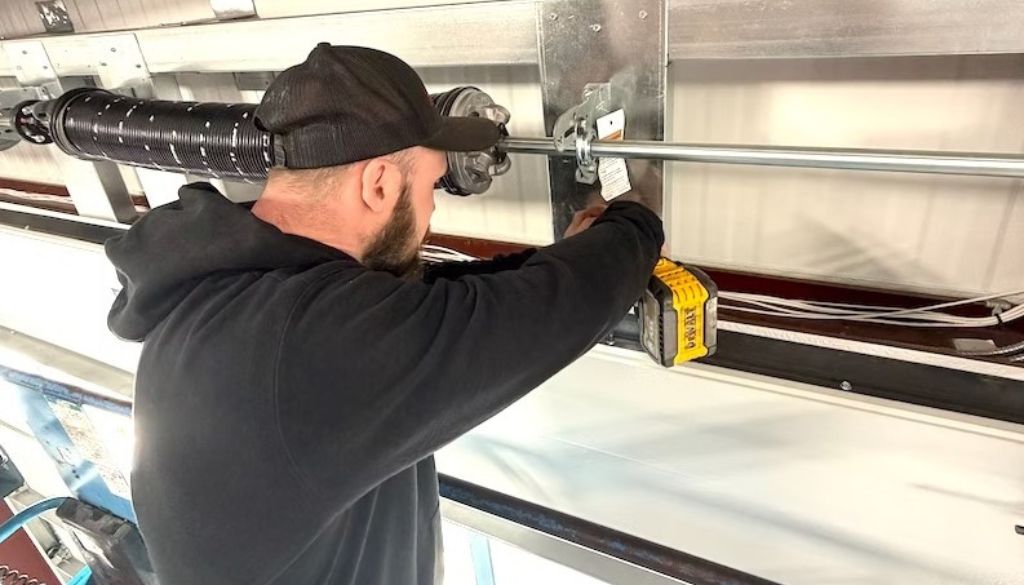
This is where judgment matters. A homeowner can observe the door, keep the sensor area clear, test the reversal system, and follow the owner’s manual. But high-tension components and heavy door hardware require respect. Garage door springs and cables are not casual do-it-yourself parts. If the door looks crooked, drops unevenly, binds in the tracks, or feels unusually heavy when operated manually according to the owner’s manual, professional inspection is the prudent path.
Installation work has its own risks
Garage door installation and opener replacement look tidy in a finished advertisement. Real installation work is more awkward. The work happens at ceiling height, often above vehicles, storage shelves, concrete floors, and tight side clearances. Installers handle tools overhead, work around electrical connections, and position parts while standing on ladders or in cramped areas. Federal workplace safety guidance for installation and repair work recognizes these kinds of hazards: ceiling-height tasks, confined spaces, hand-tool risks, and awkward postures.
That reality supports careful, staged work rather than rushed installation. A garage door opener must be mounted securely, connected properly, adjusted according to its instructions, and tested for safety reversal. The sensors or equivalent entrapment protection must be installed and working. The door itself must be suitable for automatic operation. Skipping those checks because “the motor runs” misses the point.
For homeowners comparing professional garage door installation with a do-it-yourself opener install, the trade-off is not only cost. It is also the quality of setup, the accuracy of adjustment, the condition of the existing door assembly, and the final safety testing. A mechanically sound door with a correctly installed opener should operate in a controlled, repeatable way. A marginal door paired with a new opener can still be unsafe if the safety system is not set up and verified.
Professional installers also tend to notice surrounding conditions that homeowners overlook. A low sensor mounted where a trash can always hits it, a door track crowded by shelving, a ceiling area with poor access, or an older garage door sources door that does not move smoothly can all affect long-term reliability. Good installation is not just attaching a box to the ceiling. It is integrating the opener with the door, the garage layout, and the safety features required for residential automatic operation.
Repair versus replacement when safety is involved
When an opener fails a safety test, homeowners often ask whether they need garage door repair or garage door replacement. The honest answer depends on the defect. Some failures involve adjustment, sensor alignment, or conditions described in the owner’s manual. Others point to an opener that cannot be made to comply with safety expectations or a door system with broader mechanical problems.
A useful decision point is whether the system has required repeated workarounds. If the opener reverses unexpectedly because stored items keep blocking the sensor path, replacement is not the first answer. Clear the path and protect the sensors from repeated impact. If the door fails to reverse and cannot be adjusted according to the manual, inspection is needed. If the opener lacks required entrapment protection, that is a serious concern. If the door itself is damaged, out of balance, or moving poorly, replacing only the opener may not solve the safety issue.
Garage door replacement enters the conversation when the door assembly has reached a condition where safe, reliable operation cannot be restored economically or appropriately. That decision should be made after inspection, not guesswork. A door that looks worn may still be serviceable. A door that looks acceptable from the driveway may have hardware problems that affect operation. The opener’s symptoms provide clues, but they do not always identify the root cause.
The cost conversation should include risk. A homeowner may be tempted to postpone service if the door closes most of the time. But a door that closes while failing reversal expectations is not “mostly fine.” It same-day garage door installation Gold Coast is unreliable in the area that matters most. Safety defects deserve priority over cosmetic upgrades, quieter accessories, or convenience features.
Lubrication, maintenance, and what not to confuse with safety compliance
Garage door lubrication can improve the sound and smoothness of a door system when done as part of proper garage door maintenance. It may reduce friction in appropriate moving areas and help hardware operate more consistently, depending on the door design and the manufacturer’s instructions. But lubrication is not a substitute for safety testing. A quiet door can still have a defective reversal system. A freshly serviced opener can still be unsafe if the sensors are missing, blocked, misaligned, or not functioning.
That separation is important because homeowners often evaluate a garage door by noise. Noise deserves attention, especially if it changes suddenly, but safety reversal deserves its own monthly check. The opener’s job is not simply to move the door quietly. It must also stop or reverse when entrapment protection calls for it.
A well-rounded garage door inspection should observe the complete system. The door should move in a controlled path. The tracks should not be visibly obstructed. The rollers should not appear to fight the track. The cables should not look damaged or out of place. The springs should not be treated casually. The sensors should be present and working. The opener should reverse when tested as described by the owner’s manual. None of these observations requires inventing a complicated maintenance program, but together they form a realistic picture of safety.
The safest maintenance habit is consistency. Pick a date that is easy to remember, such as the first weekend of the month, and test the safety reversal system before the garage becomes crowded with weekend projects. If anything fails, address it before returning the opener to normal service. That habit aligns with federal safety guidance and keeps the focus where it belongs.
Children, remotes, and household rules that prevent bad moments
Hardware reduces risk, but household behavior matters. Children should be taught garage door safety in plain language. The door is not for playing. The remote is not a toy. No one should run under a moving garage door. No one should stand in the doorway while the door is closing. Remote controls should be kept out of children’s reach.
The most effective rules are simple and repeated calmly. A child does not need a lecture on federal standards. They need to know that the door is heavy, it moves automatically, and an adult controls it. Wall buttons should not become play switches. Car remotes should not be left where young children can experiment with them. If a child is old enough to operate the door, they are old enough to learn that the doorway must be clear and that a malfunctioning door should be reported, not forced.
There is a practical adult habit here too: watch the door close when people or pets are nearby. Many homeowners press the remote and walk away. That may be routine, but it removes the chance to notice an obstruction, a child changing direction, or a door that behaves oddly. Safety systems are essential, yet they are not a reason to stop paying attention.
When to stop using the opener and call for help
Some garage door problems allow for careful observation and owner’s-manual adjustment. Others call for immediate restraint. The hard part is knowing when not to keep trying. Repeatedly cycling a malfunctioning opener can worsen the problem or normalize unsafe operation. If the door fails to reverse during testing, that alone is enough reason to stop routine use until corrected.
Call for professional inspection when you see any of these conditions:
The reason to involve a professional is not fear. It is proportion. A garage door system combines electrical controls, overhead equipment, moving hardware, and spring-loaded components. A trained technician can separate opener faults from door assembly faults and can test the system after repair. That final test matters because the repair is not complete until the safety function works.
A practical standard for responsible ownership
Federal safety expectations give homeowners a baseline: residential automatic garage door openers must have entrapment protection, and safety reversal systems should be tested monthly. The responsible ownership standard is to make those expectations visible in daily life. Keep the sensor area clear. Do not let children play with remotes. Watch for changes in door movement. Treat a failed reversal test as a safety defect, not a quirk. Use the owner’s manual for appropriate adjustments, and bring in professional garage door repair when the issue goes beyond simple correction.
A garage door opener that works safely fades into the background, which is exactly what most homeowners want. The door opens, closes, reverses when it should, and stays boring. That kind of boring is earned through proper installation, routine garage door maintenance, and a willingness to stop using the system when it fails a safety check. The federal standard sets the floor. Monthly attention keeps the door above it.