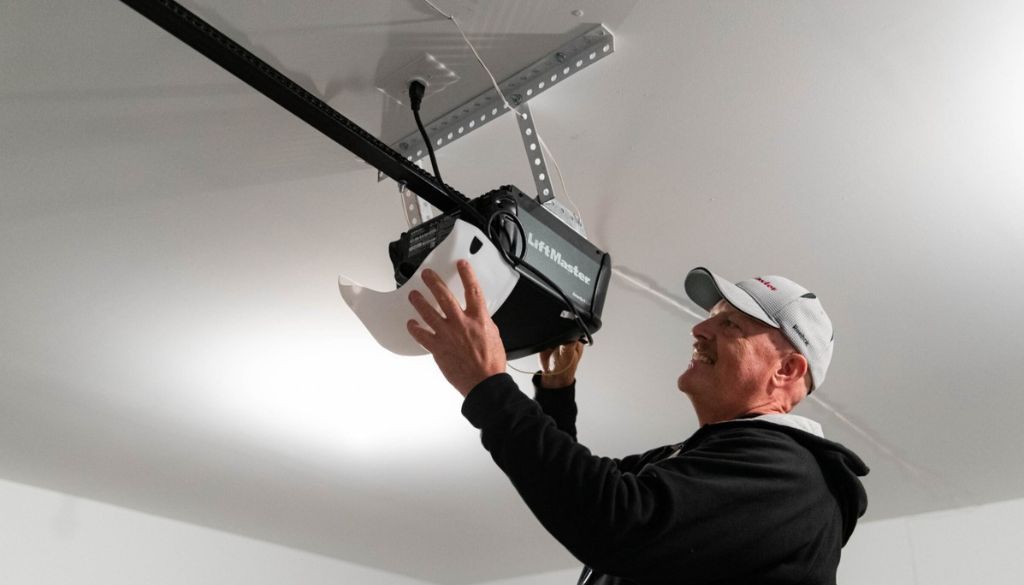
Garage Door Maintenance Guide for Monthly Safety Reversal Testing
A garage door is easy to ignore when it works. It opens, it closes, the light comes on, the car gets parked, and the day moves along. That ordinary rhythm is exactly why garage door safety deserves a scheduled place in home maintenance. The system is heavy, motorized, and used around children, pets, vehicles, stored belongings, and people carrying groceries or tools with limited attention to the moving door overhead.
Monthly safety reversal testing is one of the simplest habits a homeowner can build into garage door maintenance. It does not require special instruments or a deep mechanical background. It does require patience, a clear area, and the willingness to stop using the opener if the door does not respond correctly. A garage door opener that fails to reverse when it should is not a minor inconvenience. It is a safety hazard, and it should be adjusted according to the owner’s manual or inspected by a qualified garage door repair professional.
Automatic residential garage door openers in the United States are covered by a federal safety standard. They must include entrapment protection, such as photoelectric “electric eye” garage door sensors or an equivalent safety system. That requirement exists because closing doors can trap people, and documented fatal entrapment incidents have occurred. The standard is not just paperwork. It is a reminder that a garage door is a moving barrier with enough force to cause serious harm if its safety systems are missing, misaligned, disabled, or neglected.
What monthly safety reversal testing is meant to catch
The safety reversal system is designed to stop or reverse a closing garage door when something is in the way. Depending on the opener and safety design, that protection may involve photoelectric sensors near the bottom of the door opening, built-in force sensing in the garage door opener, or an equivalent protective system. A properly functioning opener should reverse when the door closes onto an obstruction. If it does not, the problem needs attention before normal use continues.
In practical terms, monthly testing catches the kind of gradual decline that homeowners often miss. A sensor can be bumped by a trash can. A child can twist a bracket while retrieving a ball. Dust, spiderwebs, or storage clutter can interfere with the path between photoelectric eyes. A door that once moved smoothly can become harder for the opener to control if garage door rollers wear, garage door tracks shift, garage door cables fray, or garage door balance changes. The opener may still run, but the safety margin gets thinner.
The monthly interval matters because a garage door is used frequently and its surroundings change. Garages are not static rooms. Bicycles lean against walls, storage bins migrate, lawn tools get stacked near the tracks, and winter grit collects on the floor. In homes with children, the garage often becomes a pass-through space, a play-adjacent area, and a storage room at the same time. Monthly testing creates a routine that notices small changes before they become dangerous.
The two safety functions most homeowners should understand
Most homeowners think of the garage door opener as the machine that does the lifting. That is only partly true. The door system includes the opener, springs, rollers, cables, tracks, hinges, sensors, brackets, and the door sections themselves. The opener controls movement, but it does not make a neglected door safe by itself.
Photoelectric garage door sensors are usually mounted near the floor on each side of the opening. They send an invisible beam across the doorway. When that beam is blocked while the door is closing, the opener should stop and reverse the door. Because they sit low, these sensors protect the area where a child, pet, box, bicycle wheel, or other obstruction might be present.
The second safety function is reversal on contact with an obstruction. A properly working opener should reverse when closing onto something in the door’s path. This is the test many homeowners associate with a block of wood or a similar obstruction placed on the floor under the door. The exact method and acceptable test material should follow the owner’s manual for the specific opener, but the principle is consistent: the door must not continue pressing down when it meets resistance.
These two functions complement each other. The photoelectric sensors detect an obstruction before contact. The reversal function responds when contact occurs. Both deserve attention during a garage door inspection, and neither should be treated as optional.
Before you test, make the garage safe to work in
A good safety reversal test begins before the opener button is pressed. Clear the area around the door. Move vehicles, tools, cords, bicycles, toys, trash bins, and storage boxes away from the opening. Make sure no one walks under the door while testing. Keep children and pets out of the garage, not just away from the door. Children should be taught garage-door safety, and remote controls should be kept out of their reach. That instruction may sound basic, but in real homes, remote controls often end up clipped to sun visors, tossed into open storage cubbies, or left on workbenches.
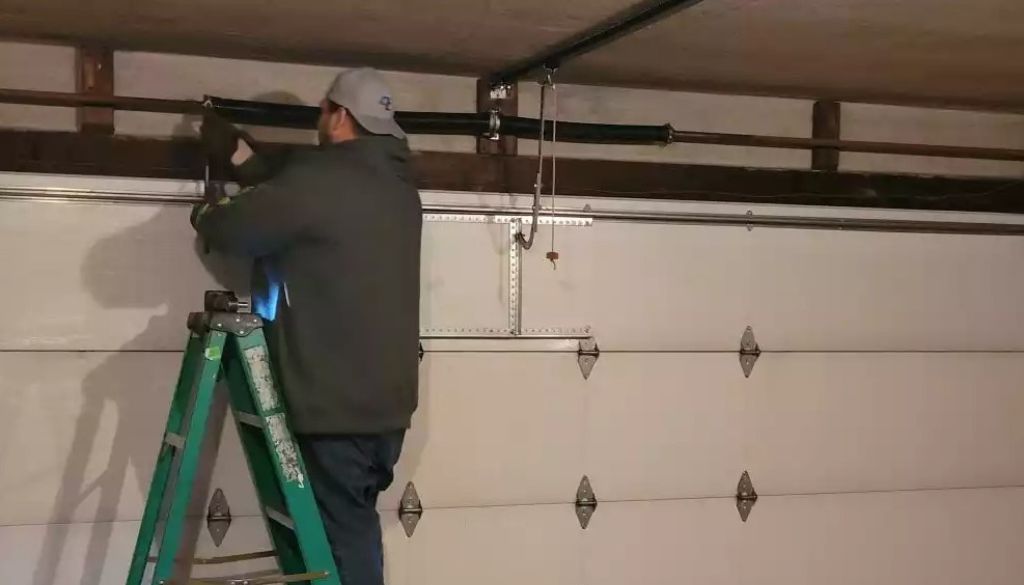
Look at the door from inside the garage with the door closed. You are not repairing anything yet. You are observing. Check whether the sensors are present and aimed at each other. Notice whether their brackets appear bent or loose. Look at the garage door tracks for obvious obstruction. Watch for cables hanging oddly or anything that appears out of place. Do not place fingers near rollers, hinges, tracks, or cable drums. A garage door system stores and transfers force, especially around garage door springs and torsion springs. Some parts are appropriate for homeowner observation, but not for casual adjustment.
Also consider the work environment. Installation and repair tasks around garage doors can involve ceiling-height work, cramped spaces, hand tools, and awkward postures. Even a simple adjustment can become risky if it requires standing on a ladder near the opener rail or reaching around moving hardware. If the test points toward a problem beyond cleaning a sensor lens or moving clutter, it is often safer to call a professional than to improvise overhead.
A monthly safety reversal test you can perform carefully
Use the owner’s manual for your specific garage door opener whenever available, since manufacturers may describe the testing method in their own terms. The following routine reflects the basic safety checks a homeowner can use to confirm that the entrapment protection is present and responding. If any step produces an unexpected result, stop and treat the issue as a safety concern.
This is a short procedure, but it should not be rushed. The most common mistake is turning the test into a quick button press while multitasking. Stand where you can see the door and sensors. Listen to the opener. Watch the bottom seal approach the floor. Notice whether the door hesitates in the same place each time. The point is not merely to prove that the door moved. The point is to verify that the safety system reacts when a person or object could be at risk.
What a failed reversal test can mean
A failed reversal test does not automatically identify one single problem. That is why careful garage door troubleshooting matters. If the photoelectric sensors do not reverse the door when blocked, the issue may be as simple as a blocked beam, dirty lenses, or sensors that have been nudged out of alignment. It may also involve wiring, damaged components, or a malfunction inside the opener. If the contact reversal test fails, the opener may need adjustment, or the door may be moving in a way the opener cannot safely control.
A door that binds in the garage door tracks can create misleading symptoms. The opener may work harder than it should, and the safety system may not behave predictably. Worn garage door rollers can add drag and vibration. Cables that are damaged or not seated properly can affect movement. Garage door springs, including torsion springs, influence garage door balance, which affects how much effort is needed to raise and lower the door. A poorly balanced door may seem like an opener problem when the underlying issue is mechanical.
This is where homeowners benefit from humility. A garage door opener is not a cure for a door that is out of balance or physically compromised. If the door has become heavy, uneven, noisy, or erratic, the opener may still pull it through a cycle, but that does not mean the system is safe. Monthly testing is not only about the electronics. It is a way to notice whether the door system as a whole still behaves as expected.
The difference between observation and repair
There is a line between basic garage door maintenance and garage door repair. Homeowners can keep the area clear, test safety reversal, check that sensors are not blocked, and look for obvious signs of trouble. Many can also perform basic garage door lubrication if the owner’s manual recommends it and if they use the right product in the right places. But working on springs, cables, brackets under tension, or structural hardware is different.
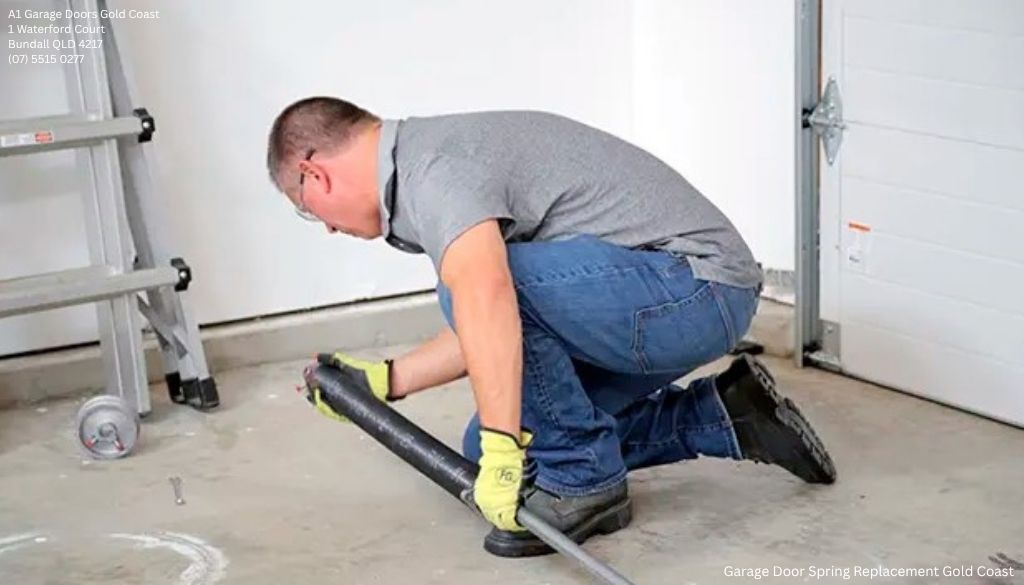
Garage door springs deserve particular respect. Torsion springs are part of the counterbalance system that helps lift the door. They are under significant tension. Garage door cables also carry load and can move violently if mishandled. Tracks and brackets may look simple, but loosening the wrong fastener can create a dangerous situation. Even experienced technicians approach this work in stages because the risks are physical and immediate.
A good rule in the field is this: if the task requires you to defeat a safety feature, loosen load-bearing hardware, climb near ceiling-mounted equipment, or place your body near moving parts, it is no longer a casual homeowner task. It belongs in the hands of someone trained for garage door repair or garage door installation work. That is not overcaution. It is respect for a system that can injure people when handled casually.
Sensors are not decorations
Photoelectric garage door sensors are sometimes treated like an annoyance. Homeowners tape them in place after bumping them. Storage items get stacked in front of them. Someone sees the door refuse to close, assumes the opener is being fussy, and tries to override the system repeatedly. That response misses the purpose of the safety device.
The sensors are there because entrapment protection is required on residential automatic openers, and because the lower part of the doorway is exactly where people and objects can be when a door closes. If the door reverses because the sensor beam is blocked, the system may be doing its job. The correct response is to find out what is blocking or misaligning the sensor, not to bypass it.
During a monthly check, take a close look at the sensor area. The brackets should hold the sensors steady. The path between them should remain open. The sensors should not be hidden behind storage shelves or loosely hanging from wires. If a sensor has been hit hard enough to bend its mount, a quick nudge may not be enough. The system should be inspected and restored so it works every time, not only when the garage is empty and conditions are perfect.
How door condition affects reversal performance
A garage door opener is designed to operate a door within a normal range of movement and resistance. When the door itself deteriorates, the opener’s safety response can suffer. That is why monthly safety testing pairs naturally with a broader visual garage door inspection.
Watch the door while it closes. A healthy door usually follows its tracks with controlled, even movement. It should not slam, chatter, tilt, or scrape. Some noise is normal, especially on older doors, but grinding, popping, or sudden changes in sound deserve attention. Rollers should travel through the tracks without catching. Cables should appear properly positioned, not loose or frayed. Tracks should not be crushed inward or pulled away from the wall.
Garage door balance is another important factor, although testing and adjustment should be handled carefully. A balanced door is easier for the opener to manage. An unbalanced door can strain the opener and create uneven movement. If a door suddenly feels heavier, drops too fast, or will not stay where expected when operated manually according to the owner’s instructions, stop and seek professional help. These symptoms can point to spring or cable problems, and those are not areas for trial-and-error repair.
Lubrication helps movement, but it does not fix safety failure
Garage door lubrication is often recommended as part of maintenance, but it should be understood correctly. Lubrication can reduce friction and noise at appropriate moving points, depending on the door design and manufacturer guidance. It can help rollers, hinges, and other moving parts operate more smoothly when applied correctly. It cannot make a failed safety reversal system acceptable.
One of the mistakes I have seen in service conversations is the assumption that a noisy or hesitant door simply needs lubricant. Sometimes it does. Other times the noise is a symptom of worn rollers, track issues, loose hardware, or a balance problem. Spraying lubricant everywhere can mask sound for a short time while the underlying problem continues. It can also attract dirt if the wrong product is used in the wrong place.
If lubrication is part of your monthly or seasonal garage door maintenance routine, pair it with observation rather than using it as a cure-all. Note whether the sound changes, whether movement improves, and whether the door still passes safety reversal testing afterward. If the door fails the test, lubrication is not the remedy. The safety system needs adjustment, inspection, or repair.
When the owner’s manual matters
The owner’s manual is not just for programming remotes. It contains the manufacturer’s instructions for testing and adjustment, including the correct procedure for safety reversal. Since opener designs vary, the manual should guide how you perform the contact reversal test and what adjustments, if any, are appropriate for the homeowner.
If the manual is missing, many manufacturers provide model-specific instructions through their official materials. The model number is often on the opener unit itself, although reading it may require standing below the motor head and using a flashlight. Do not climb or reach into unsafe positions to retrieve it. If the unit is older, damaged, or poorly labeled, a professional can often identify it during inspection.
The key point is that adjustment should not be guesswork. Increasing force settings to make a troublesome door close may hide the symptom while making the system less forgiving. Repeatedly pressing the remote to force a closing cycle is also a warning sign, not a solution. When the opener and door do not behave as the manual describes, it is time for garage door troubleshooting by someone who knows both the opener and the door mechanics.
Signs that call for professional service
Some findings during a monthly safety test should move the task out of the homeowner category. A professional garage door repair technician can evaluate the opener, sensors, springs, cables, tracks, rollers, and door balance as a system. That broader view matters because the visible symptom is not always the root cause.
These are not cosmetic issues. They affect garage door safety and can worsen with continued use. In some cases, repair may be straightforward. In others, garage door replacement or opener replacement may be the safer long-term choice, especially if the door system is old, damaged, or missing required safety features. A good technician should explain the difference between a necessary repair, a recommended upgrade, and a full replacement.
Older openers deserve extra scrutiny
Any automatic opener that lacks modern entrapment protection should be treated seriously. Residential automatic garage door openers are required to include protection such as photoelectric sensors or an equivalent safety system. If a homeowner moves into a house and finds an older opener without visible sensors, the right response is not to assume it was grandfathered into safety. It should be inspected.
Older systems also tend to accumulate undocumented changes. A previous owner may have replaced a wall button, rerouted wiring, changed door sections, adjusted travel limits, or installed storage that interferes with the sensors. None of those changes may be obvious during everyday use. Monthly testing gives the current homeowner a way to verify actual behavior rather than trusting the history of the system.
Garage door installation quality also matters. Sensors installed too loosely, tracks mounted poorly, opener arms set up incorrectly, or doors not balanced at installation can create ongoing problems. If the system has never worked smoothly, it may not need another quick adjustment. It may need a proper installation review.
Children, remotes, and the habits around the door
A safe garage door is not only a mechanical system. It is also a household routine. Children should not play with garage door remotes, wall controls, sensors, or the moving door. Remote controls should be kept out of their reach. The wall control should be used from a place where the door is visible, not pressed blindly while walking away.
Parents and caregivers often underestimate how interesting a garage door is to a child. It moves, makes noise, lights up, and responds to a button. That combination invites curiosity. Teaching garage-door safety should be direct and repeated: never stand, run, or play under a moving garage door; never touch the sensors; never race the door; never use the remote as a toy.
Adults need habits too. Wait until the door fully opens before driving or walking through. Watch the door fully close before leaving, especially if the garage opens onto a public alley or driveway. If the door reverses unexpectedly, do not treat it as a nuisance. Look for the cause. Many safety problems start as intermittent behavior that gets ignored because the door eventually closes.
The monthly test as part of a larger maintenance rhythm
Monthly safety reversal testing should not feel like a major project. It fits well with other recurring household checks, such as testing smoke alarms, replacing HVAC filters, or walking the exterior for storm damage. Choose a date you will remember. The first Saturday of the month works for some households. Others tie it to paying utility bills or cleaning the garage floor.
A written note can help, especially in multi-driver homes. If one person notices that the door hesitated or a sensor was bumped, that information should not disappear. A small maintenance log near the electrical panel or in a home management app can record the date, whether the sensor test passed, whether the contact reversal test passed, and whether any service was scheduled. The value is not paperwork. The value is pattern recognition. If the same issue appears three months in a row, it is no longer random.
For homeowners planning garage door replacement, the same maintenance mindset applies to selecting a new system. Safety features, proper garage door installation, opener compatibility, and serviceability matter as much as curb appeal. A quiet door that looks good but is poorly installed is not a good investment. A properly selected and installed system should pass its safety tests consistently and be easier to maintain over time.
What not to do after a failed test
The most dangerous response to a failed test is normalization. A homeowner sees the door fail to reverse, then thinks, “I’ll deal with it later,” and keeps using the opener. That delay can stretch into weeks. Meanwhile, the door keeps closing over the same threshold where children, pets, and belongings pass every day.
Do not disable garage door sensors to make the opener close. Do not hold down controls as a routine workaround unless the owner’s manual same-day garage door installation Gold Coast specifically describes a temporary method for a particular situation and you understand the risk. Do not increase force settings just to overcome a mechanical problem. Do not let children operate the door while it is awaiting repair. Do not stand under the door to “see what happens” during testing.
A failed reversal test should change behavior immediately. Use another entrance if possible. If the door must be operated, keep people clear and follow the owner’s manual. Then arrange inspection or repair. The inconvenience of scheduling service is small compared with the consequence of trusting a door that has already shown it may not protect against entrapment.
A practical standard for a safer garage
Monthly safety reversal testing is not complicated, but it is serious. The standard is simple: the door should reverse when its photoelectric sensor beam is interrupted during closing, and it should reverse when it closes onto an obstruction according to the owner’s manual. If it does not, the opener needs adjustment per the manual or professional inspection.
That single habit also sharpens the rest of your garage door maintenance. You start noticing whether the garage door rollers sound rough, whether the garage door tracks stay clear, whether the garage door cables look right, whether garage door lubrication is overdue, and whether the garage door opener behaves consistently. You become familiar with normal movement, which makes abnormal movement easier to spot.
A garage door is one of the largest moving systems in a home. It deserves more than occasional attention after something breaks. Test it monthly, keep the sensors clear, teach children to respect the door, keep remotes out of reach, and call for qualified garage door repair when the system fails to reverse or shows signs of mechanical trouble. That routine is modest, but it protects the people who pass under the door every day.