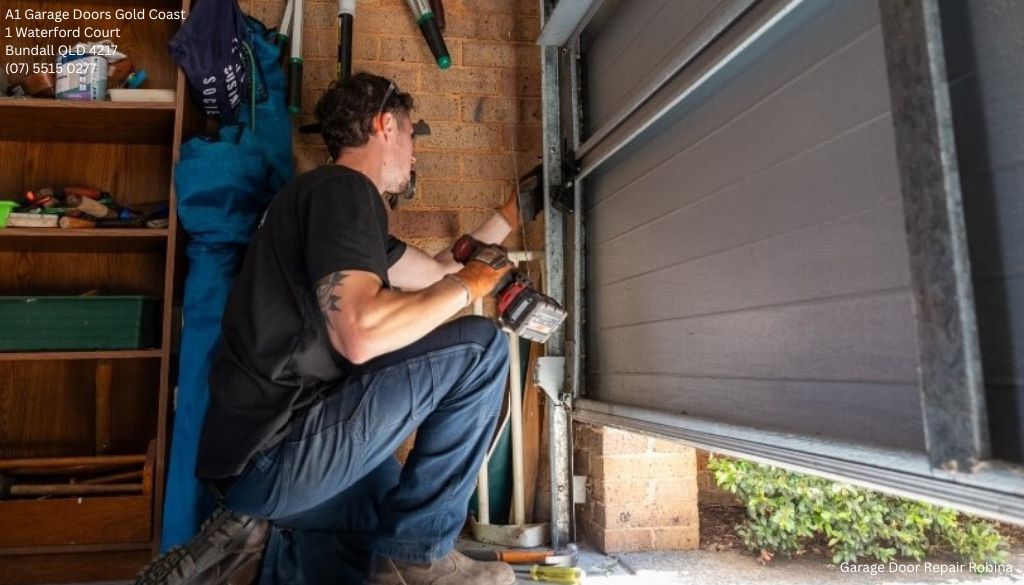
Garage Door Maintenance Guide for Long-Term Safety
A garage door is one of the largest moving systems in a home, and it often operates in the same space where people store tools, bicycles, vehicles, sports gear, and household supplies. It opens above head height, moves near children and pets, and depends on several parts working together correctly. That combination makes garage door maintenance more than a matter of convenience. It is a safety practice.
The most important point is simple: a residential automatic garage door opener must be able to protect people from entrapment. In the United States, automatic residential garage door openers are covered by a mandatory federal safety standard. That standard requires entrapment protection, such as a photoelectric “electric eye” sensor or an equivalent safety system. A properly functioning opener should reverse when the door closes onto an obstruction. If it does not, the door should not be treated as “mostly fine.” It needs adjustment according to the owner’s manual or inspection by a qualified professional.
Long-term safety comes from habits, not panic repairs. A door that is checked, tested, cleaned, observed, and serviced when needed is less likely to surprise you. A door that is ignored until it strains, jerks, refuses to reverse, or comes off track has already crossed into a higher-risk situation. The purpose of garage door maintenance is to catch small warning signs while the door is still predictable.
Why garage door safety deserves regular attention
Many homeowners use the garage door more often than the front door. It may be the entrance used before school, after work, during errands, and late at night. Because it is so familiar, people stop noticing how much force, weight, and motion are involved. That familiarity is one reason safety checks matter. A system can become part of daily routine while still carrying real hazards.
The Consumer Product Safety Commission has warned repeatedly about non-reversing garage door openers. The concern is not theoretical. Entrapment incidents involving automatic garage doors have been documented, including fatal incidents. That history is the reason safety reversal systems are not optional details. They are central to garage door safety.
A well-maintained garage door also reduces the temptation to make unsafe improvisations. When a door sticks, some people push harder. When an opener struggles, they press the remote again and again. When the safety sensors stop working, someone may be tempted to bypass them just to get the door closed. Each of those reactions turns a maintenance issue into a safety issue. A professional approach treats warning signs as information. The door is telling you something has changed.
Garage door repair should begin with that mindset. The goal is not merely to make the door move again. The goal is to restore predictable, controlled movement with all safety systems working as intended.
The monthly reversal test should not be skipped
For homes with automatic openers, monthly testing of the safety reversal system is a core practice. The CPSC advises that safety reversal systems should be tested monthly. If the garage door fails to reverse, it should be adjusted according to the owner’s manual or inspected by a professional.
That monthly rhythm matters because safety systems can appear normal until they are tested. A garage door opener may still hum, lights may still flash, and the remote may still work, yet the reversal function may not behave properly. Testing is the difference between assuming and knowing.
A basic safety check should focus on whether the door reverses when it should and whether the photoelectric sensors, when present, are installed and working. The federal safety standard requires a sensor or equivalent entrapment protection on residential automatic openers. In many homes, that protection takes the form of photoelectric garage door sensors near the base of the door opening. Their job is to detect an obstruction in the path of the closing door. If that system is not aligned, damaged, disconnected, blocked, or otherwise not functioning, the opener may not provide the protection expected of it.
It is worth making this test part of a routine tied to something already on the calendar. Many homeowners remember it when they change HVAC filters, test smoke alarms, or pay monthly household bills. The exact reminder matters less than consistency. A safety reversal system that is not tested for long stretches can create a false sense of security.
What a careful homeowner can observe
Good garage door troubleshooting starts with observation. You do not need to dismantle anything to notice whether the system sounds, moves, and responds differently than it did last month. A professional technician often begins the same way, watching the door travel through a full open and close cycle, listening for irregular operation, and checking whether the opener and safety features behave as expected.
The safest homeowner-level maintenance is visual and operational. Watch from a clear position, keep hands and tools away from moving parts, and do not stand under a moving door. The door should move in a controlled way. The opener should not seem to fight the door. The safety sensors should not be treated as decorative parts at the bottom of the track. If they are installed, they are part of the safety system and should remain unobstructed and functional.
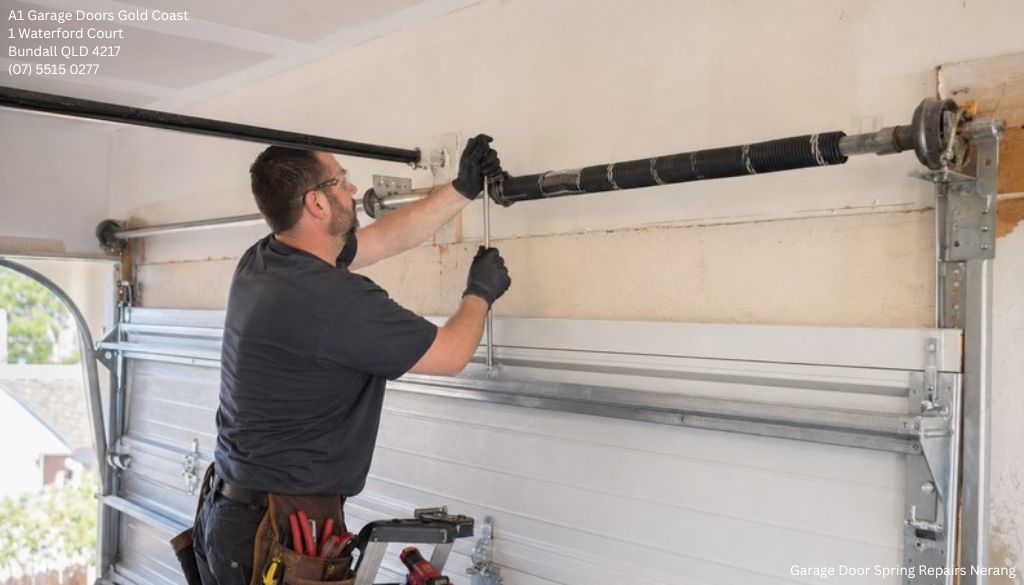
A garage door inspection at home should be cautious and limited. The system includes components such as garage door springs, torsion springs, garage door cables, garage door rollers, and garage door tracks. These parts are involved in lifting, guiding, and controlling the door. They should be looked at for obvious changes, damage, looseness, misalignment, or interference, but that does not mean they should be adjusted by an untrained person. There is a difference between noticing a problem and attempting a repair.
A simple homeowner observation routine can stay focused and safe:
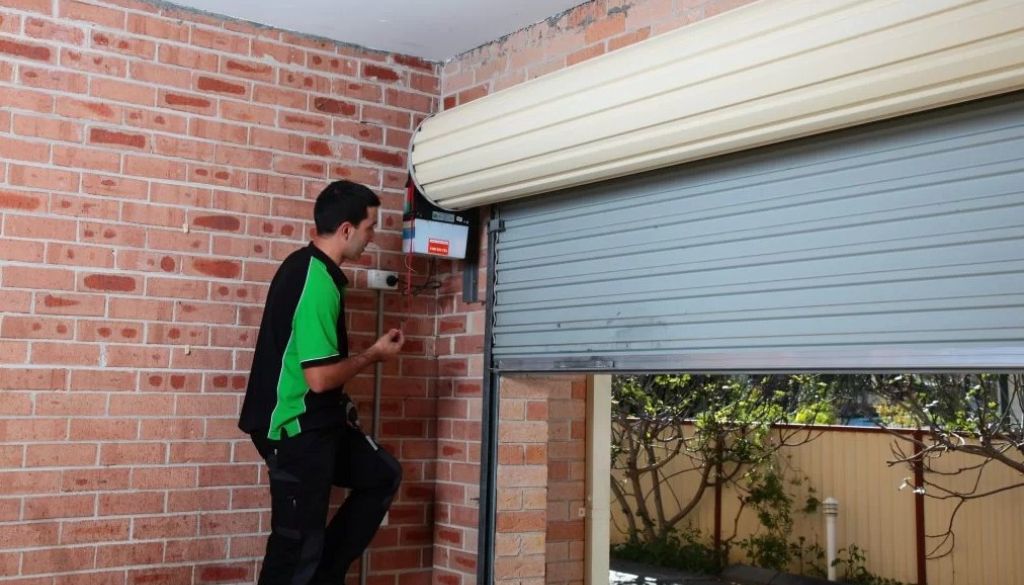
That list is intentionally short. A homeowner does not need a complicated ritual to improve safety. The most valuable habit is paying attention before the door becomes unpredictable.
The opener is not a substitute for a safe door
A garage door opener often gets blamed for every problem because it is the part people interact with. The remote stops working, the wall button does not respond, or the door reverses unexpectedly, so the opener seems like the obvious culprit. Sometimes that is true. But the opener is only one part of the system. It is designed to operate a door that can travel properly.
If the door itself is binding, out of balance, obstructed, damaged, or otherwise not moving correctly, the opener may struggle. Repeatedly forcing the opener to run can mask the real problem and add risk. This is where professional judgment becomes important. Garage door balance, track condition, spring condition, cable condition, and opener function all interact. A symptom at the motor head can begin elsewhere.
The federal safety concern focuses strongly on entrapment protection and reversal because that is where serious harm can occur. A garage door opener that does not reverse as it should is a safety hazard. A non-reversing opener should not be normalized or worked around. If adjustment described in the owner’s manual does not resolve the issue, or if the homeowner is not comfortable making that adjustment, professional inspection is the safer path.
There is also a family-safety component that deserves emphasis. Children should be taught garage-door safety, and remote controls should be kept out of their reach. A remote left in a toy bin, on a low shelf, or inside an unlocked vehicle can turn the door into something a child experiments with. The best safety system is one that combines working equipment with household rules that everyone understands.
Photoelectric sensors and the habits that protect them
Photoelectric garage door sensors are easy to overlook because they are small and usually mounted low. That low position is exactly why they can be bumped, blocked, or covered without anyone noticing. A storage tote moved against the track, a bicycle leaned too close, or a child’s ball resting in the wrong spot can interfere with the system.
The purpose of the sensor is specific: it helps prevent the door from closing on an obstruction by detecting something in the path. Because residential automatic openers must include entrapment protection such as a photoelectric electric eye sensor or an equivalent system, the sensor is not an accessory. It is a required safety feature or part of an equivalent protective setup.
A good maintenance habit is to keep the area around both sides of the door opening clear. Homeowners often clean the middle of the garage floor and ignore the lower corners where the tracks meet the floor. Those are exactly the areas where sensor issues often become visible. Without disassembling anything, you can keep stored items away from the sensor path, avoid leaning objects against the tracks, and include the sensor area in routine garage cleanup.
If the opener refuses to close and the sensors appear involved, the wrong response is to defeat the safety feature. The right response is garage door troubleshooting with safety in mind. Check for obvious obstructions. Look for anything that has shifted into the path. If the system still does not operate correctly, consult the owner’s manual or call for garage door repair. A door that will not close because a safety system is active may be inconvenient, but bypassing entrapment protection trades inconvenience for risk.
Springs, cables, rollers, and tracks require respect
Homeowners often ask which garage door maintenance tasks they can safely do themselves. The best answer depends on the person’s experience, the door type, the condition of the system, and the task. Still, some parts deserve special caution in every case.
Garage door springs, including torsion springs, are critical to the door’s operation. Garage door cables help control movement. Garage door rollers travel through garage door tracks and guide the door through its path. When these components are working well, the door may feel ordinary. When they are damaged, misaligned, or under abnormal stress, the situation can become unsafe quickly.
The careful homeowner can observe these parts, but observation is not the same as adjustment. If a cable looks wrong, a track appears damaged, or the door no longer travels smoothly, that is a reason to pause and get help rather than experiment. Professional garage door repair exists because these systems combine moving weight, mechanical force, overhead work, and confined working space.
That last point matters. Installation and repair work around garage doors often occurs at ceiling height, near open door sections, and in cramped areas. There are also risks from hand tools and awkward postures. These are recognized hazards in installation and repair work generally, and they apply naturally to garage door service. A person standing on a ladder, reaching overhead, and working around moving hardware has little margin for error. Careful, staged work is not just about neatness. It is about staying in control.
Garage door lubrication is another area where people should avoid guessing. Some doors and components may call for lubrication according to manufacturer guidance, while other issues will not be solved by adding lubricant. If a door is noisy because something is damaged, loose, or misaligned, lubrication may quiet it briefly without correcting the underlying problem. The owner’s manual is the right starting point. If the manual is missing or the symptoms are more than minor, professional inspection is the safer choice.
When maintenance becomes repair
There is a practical line between garage door maintenance and garage door repair. Maintenance is routine care that keeps the system clean, observable, testable, and operating as designed. Repair addresses a defect, failure, damaged component, or safety concern. The problem is that homeowners often cross that line without realizing it.
A monthly safety reversal test is maintenance. Trying to force a non-reversing opener to keep operating is not maintenance. Keeping the sensor area clear is maintenance. Rewiring, bypassing, or repositioning safety components without understanding the system is repair work, and potentially unsafe repair work. Watching the door move and listening for changes is maintenance. Adjusting springs, cables, tracks, or door balance without the right training can create serious risk.
Several conditions should push the decision toward professional service:
A professional garage door inspection is not only about replacing parts. A good technician looks at the system as a whole: the door, opener, springs, tracks, rollers, cables, sensors, mounting points, and operating behavior. That whole-system view matters because replacing one visible part same-day garage door installation Gold Coast may not correct the cause of the problem.
The role of the owner’s manual
The owner’s manual is one of the most underused safety tools in the garage. It contains model-specific instructions for testing, adjustment, and use. When the CPSC advises that a failed reversing system should be adjusted according to the owner’s manual or inspected by a professional, that distinction is important. The manual is not a formality. It is the boundary between approved adjustment and guesswork.
If you do not have the manual, do not assume every opener behaves the same way. Garage door openers vary by manufacturer, model, age, and safety system design. Even if two units look similar from the outside, their adjustment procedures may differ. A homeowner who treats online advice as universal can create a new problem while trying to solve an old one.
The manual also helps identify which safety features should be present. Because residential automatic openers are subject to a federal safety standard requiring entrapment protection, any uncertainty about the safety system deserves attention. If you cannot confirm that the protection is installed and working, it is reasonable to schedule an inspection.
For homeowners moving into an older house, this is especially important. You may inherit an opener with unknown service history, missing paperwork, altered wiring, or sensors that were moved during storage changes. Before relying on the system, verify that the safety reversal function works. A garage door that opens and closes is not automatically a safe garage door.
Garage door installation is a safety decision, not just a home improvement
Garage door installation affects years of daily use. Homeowners often focus first on appearance, insulation, window design, or curb appeal. Those choices matter, but they should not distract from safe operation. The door and opener must work together correctly, and the entrapment protection must function from the start.
Installation work carries its own hazards. It often requires working at height, handling tools, aligning components, and operating in a space that can be tight or awkward. A rushed installation can leave problems that show up later as noise, uneven travel, opener strain, or unreliable safety operation. Careful installation is staged, checked, and tested. The system should not be considered complete until the door travels correctly and the safety features perform as intended.
A homeowner planning garage door replacement should think beyond the day of installation. Ask how the safety reversal system will be demonstrated. Ask what routine checks are recommended. Ask how to identify the photoelectric sensors or equivalent entrapment protection. Ask which maintenance tasks belong to the homeowner and which should be left to service professionals. These are not fussy questions. They shape how safely the system will be used over time.
Garage door replacement can also be an opportunity to correct habits around the garage. If stored items have always crowded the track area, reorganize before the new system is put in service. If children have had easy access to remotes, change where controls are kept. If the household has never tested the reversal system monthly, begin with the new installation. A new door does not remove the need for maintenance. It resets the condition of the system and gives the owner a cleaner starting point.
Balancing convenience with caution
One reason garage door safety gets neglected is that the door usually works until it does not. The opener lifts, the door closes, the light turns off, and the homeowner moves on. Maintenance interrupts that convenience for a few minutes each month. That interruption can feel unnecessary until a problem appears.
The trade-off is clear. A monthly reversal test and a few moments of observation cost little time. Ignoring a failed safety system can expose people to a hazard that the equipment is specifically designed to prevent. Calling for professional garage door repair may feel inconvenient, especially when the door still moves. But a moving door with unreliable reversal is not performing safely.
There are also judgment calls. A noisy door does not always mean danger, but a new noise deserves attention. A sensor issue may be caused by something simple in the door path, but repeated sensor trouble deserves inspection. An opener that reverses unexpectedly may be reacting to an obstruction, a setup problem, or another fault. The responsible approach is not to assume the least serious explanation. It is to verify.
Professional technicians develop judgment by seeing patterns over many doors. Homeowners can develop a smaller but useful version of that judgment by knowing what normal looks and sounds like in their own garage. When you know the baseline, changes stand out. That awareness is one of the strongest forms of preventive maintenance.
Keeping children safe around the garage door
Mechanical safety features are essential, but they do not replace household rules. Children should be taught that the garage door is not something to race under, hang from, play near, or operate casually. The moving door should be treated like other household equipment that can cause harm if misused.
Remote controls should be kept out of children’s reach. Wall controls should not be treated as toys. If a child likes pushing buttons, the garage door button should not be part of that game. These habits may sound basic, but they matter because automatic openers make a large moving door feel as easy to operate as a television remote.
Parents and caregivers should also model safe behavior. Do not duck under a moving door. Do not wave the door down while someone is in the opening. Do not tell a child to “run through quickly.” Small moments teach children what is normal. If adults treat the door casually, children will too.
The safety reversal system is a backstop, not permission to take chances. Its purpose is to reduce the risk of entrapment when something goes wrong. It should be tested monthly and maintained, but it should not be relied on as the only layer of protection.
A practical long-term maintenance rhythm
The best garage door maintenance plan is simple enough to keep. Monthly, test the safety reversal system. While you are there, observe the sensors, the path of travel, and the general behavior of the door. Keep the area near the tracks and sensors clear. Listen for changes. If the door fails a safety test, stop and address it.
Seasonal or periodic garage door inspection can go a little broader, especially if the door is used heavily. Look at the overall condition of visible parts without touching anything under load or attempting adjustments beyond the manual. Check whether stored items have crept into the operating area. Confirm that remotes are still kept away from children. Make sure everyone in the household understands not to interfere with the moving door.
When service is needed, describe symptoms clearly. Instead of saying only “the opener is broken,” explain what happened: the door did not reverse during the test, the sensors seem unreliable, the door moves unevenly, or the opener strains before stopping. Clear descriptions help a garage door repair professional focus on the right safety checks.
If a replacement is being considered, treat safety performance as a primary buying criterion. A new door, new opener, or full garage door installation should include clear demonstration of entrapment protection and reversal function. The door should leave the installer’s hands operating predictably, with the homeowner understanding how to test it.
Long-term garage door safety is not complicated, but it is unforgiving of neglect. The opener must reverse properly. The sensors or equivalent entrapment protection must work. Children must be kept away from controls. Repairs that involve overhead work, moving hardware, springs, cables, rollers, tracks, or door balance deserve professional care. When those principles guide decisions, the garage door remains what it should be: a useful entry point to the home, not an avoidable hazard.